


Hong Kong Museum of History working intensively on preparing exhibition showcasing artefacts from Sui and Tang dynasties (with photos)
******************************************************************************************
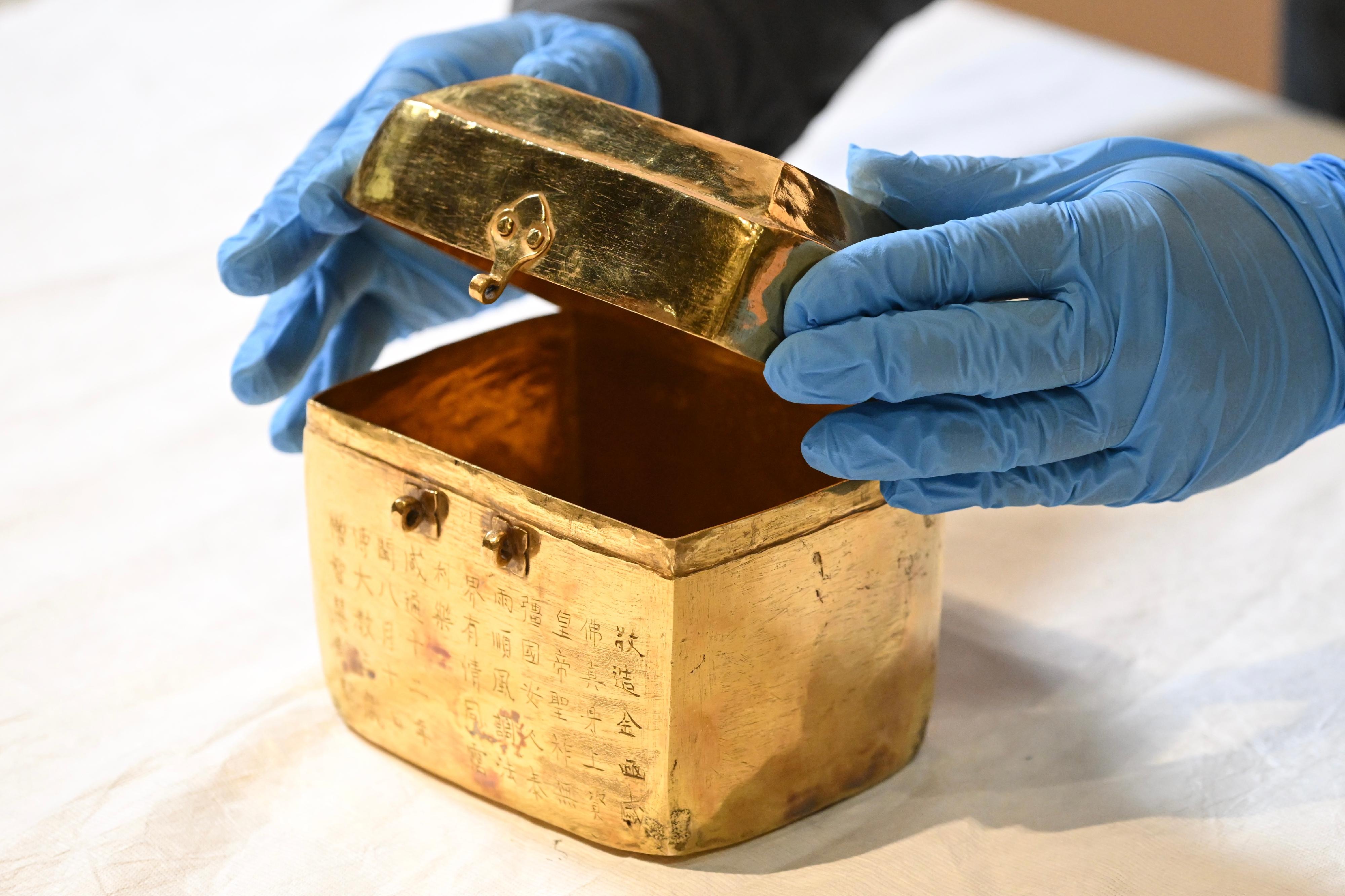
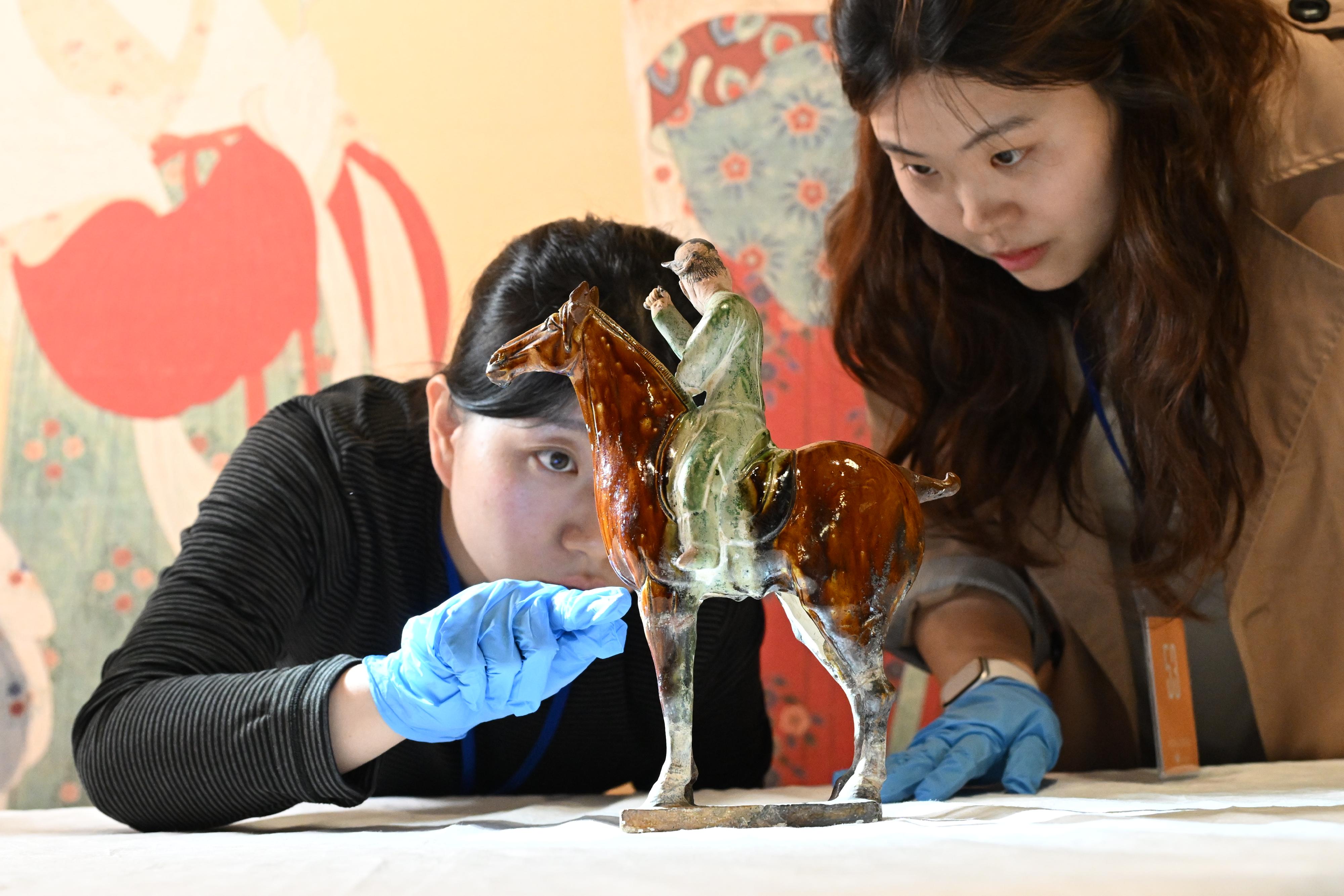
As the third exhibition of the LCSD's General History of China Series, the exhibition journeys from the Wei, Jin and Northern and Southern dynasties, and the Sui dynasty, and mainly narrates the grandeur of the Tang dynasty, exploring its historical context and development origins. The exhibition showcases exhibits from the collections of over 10 museums and cultural institutions in Shaanxi province. Among the exhibits, 18 pieces/sets are grade-one national treasures, including a painted female figurine of dancer with a double-looped bun, a white pottery dancing horse, a silver-gilt incense caddy with scenes showing human figures and a pure gold reliquary casket with a roof-curb-shaped lid.
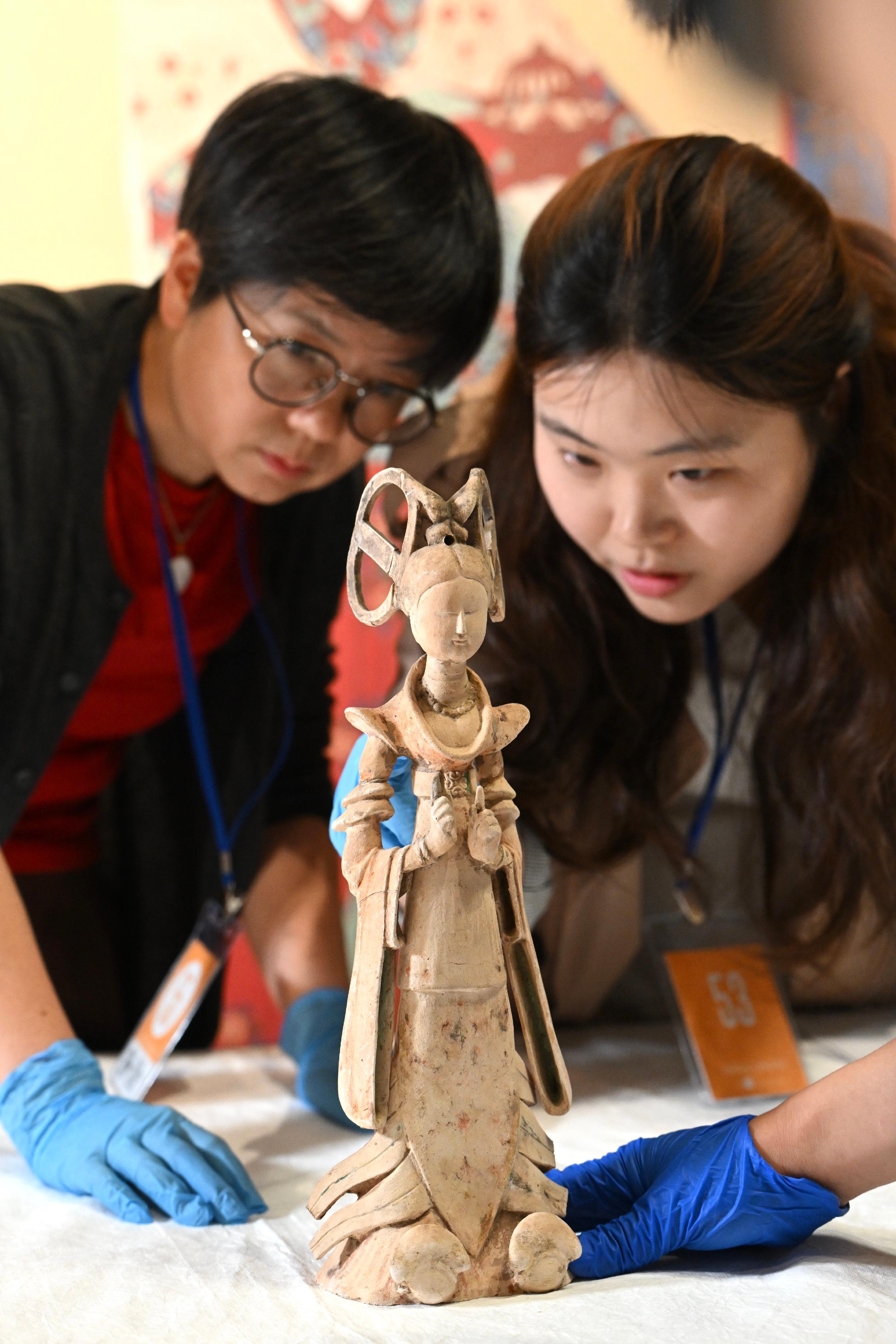
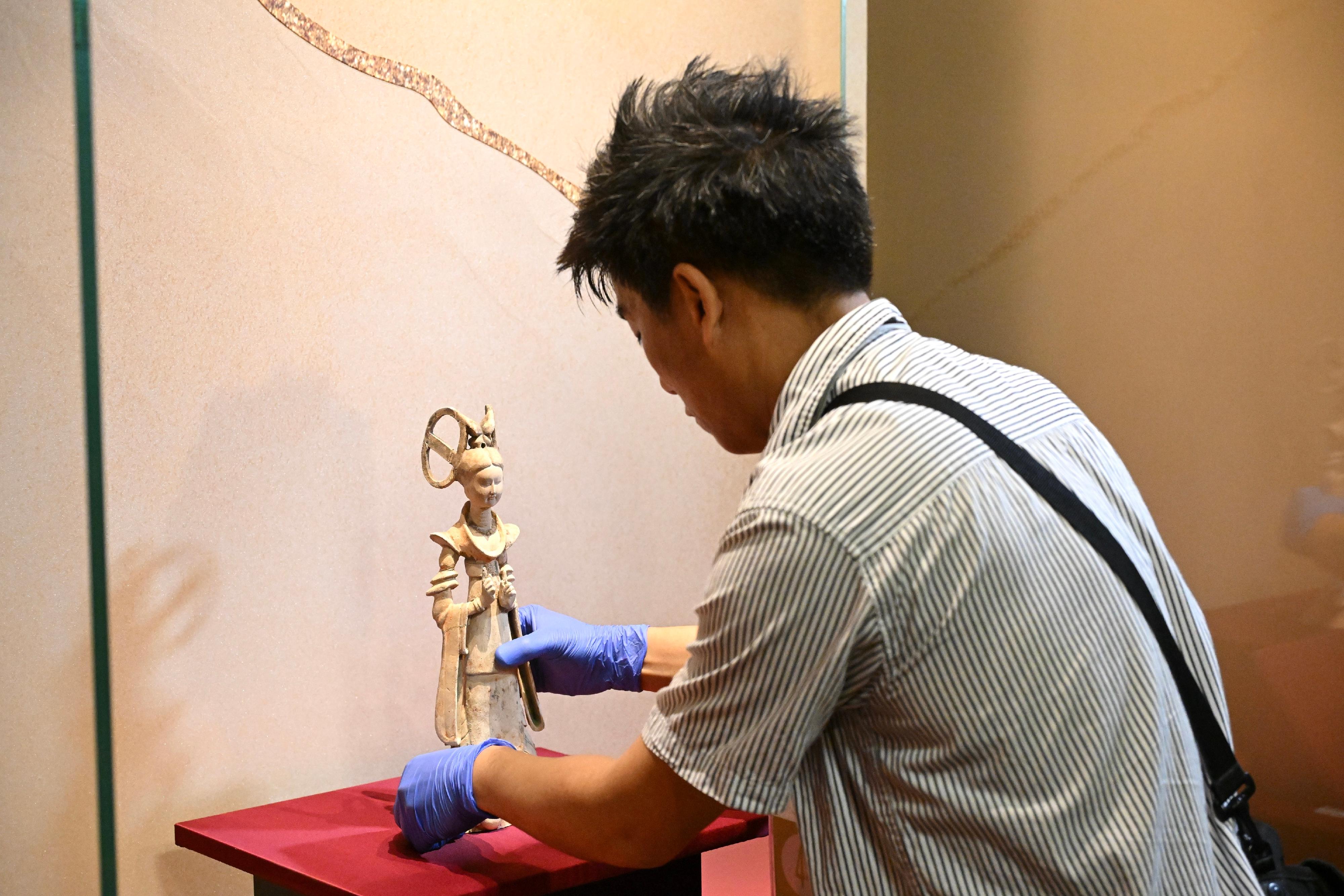
Female figurine of dancer in elegant dance pose
The painted female figurine of a dancer with a double-looped bun from the Tang dynasty was unearthed from the tomb of Zhang Chenhe, Changwu County, Xianyang City. This figurine is of a tall, slender lady with sloping shoulders and a tiny waist. Her hair is styled in a double spiral bun, and she looks light-hearted and lively, representing highly fashionable young women in the early to high Tang period, and reflecting the standards of female beauty at that time.
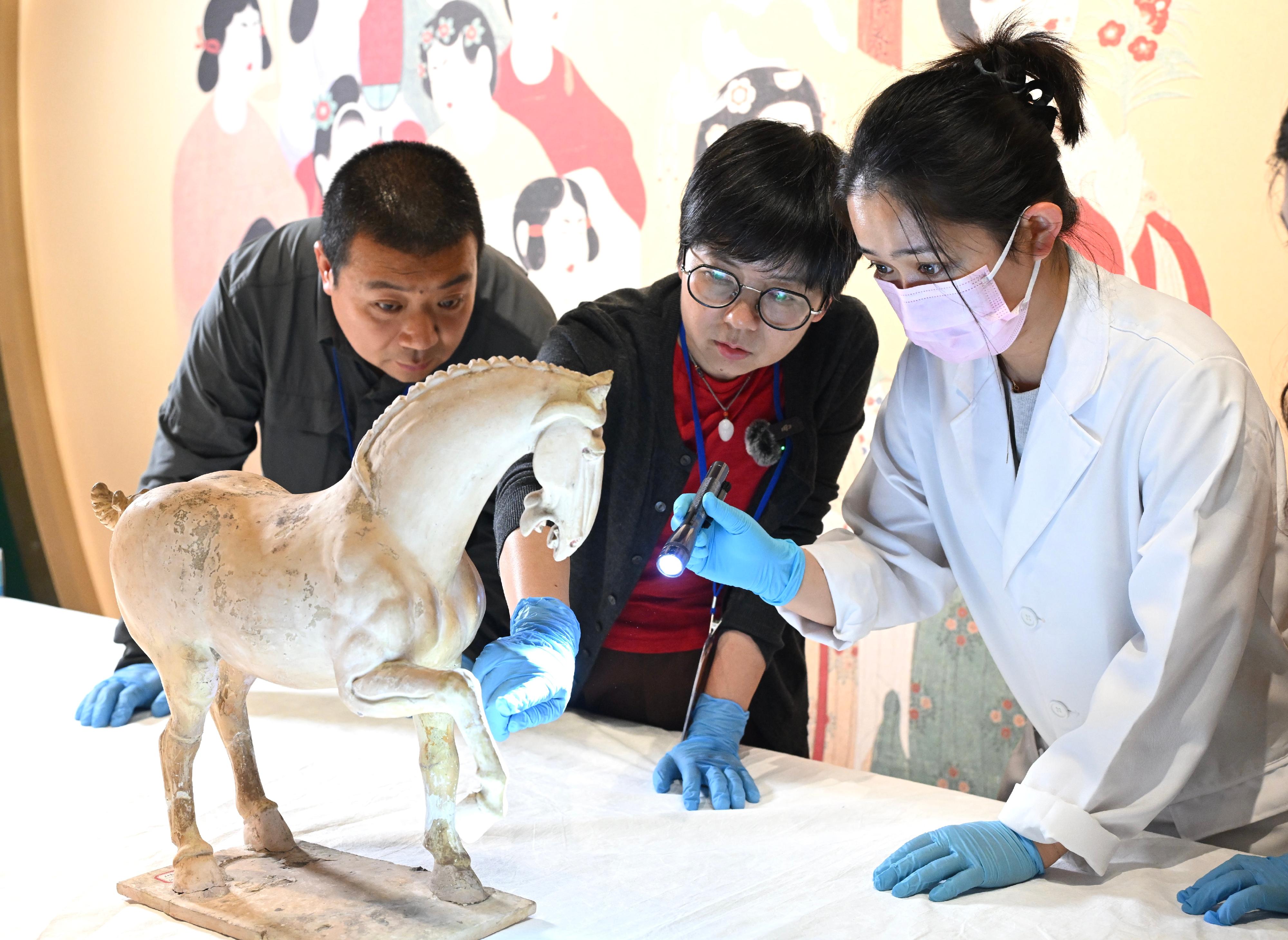
White pottery dancing horse beautifully akin as white jade
Another exhibit is a white pottery dancing horse from the Tang dynasty, unearthed from the tomb of Zhang Shigui, Liquan County, Xianyang City. The horse is muscular with an elegant, slender body. Its head is slightly lowered and its right front hoof is raised. Entirely unadorned, it emanates a pure beauty akin to that of white jade, and perfectly shows off the exquisite craftsmanship of Tang dynasty artisans with its extremely high ornamental and artistic value. Dancing horses, a unique form of entertainment combining the movements of horses with music and dance, was introduced into China from the western regions, and was seen as symbols of a prosperous and auspicious age.
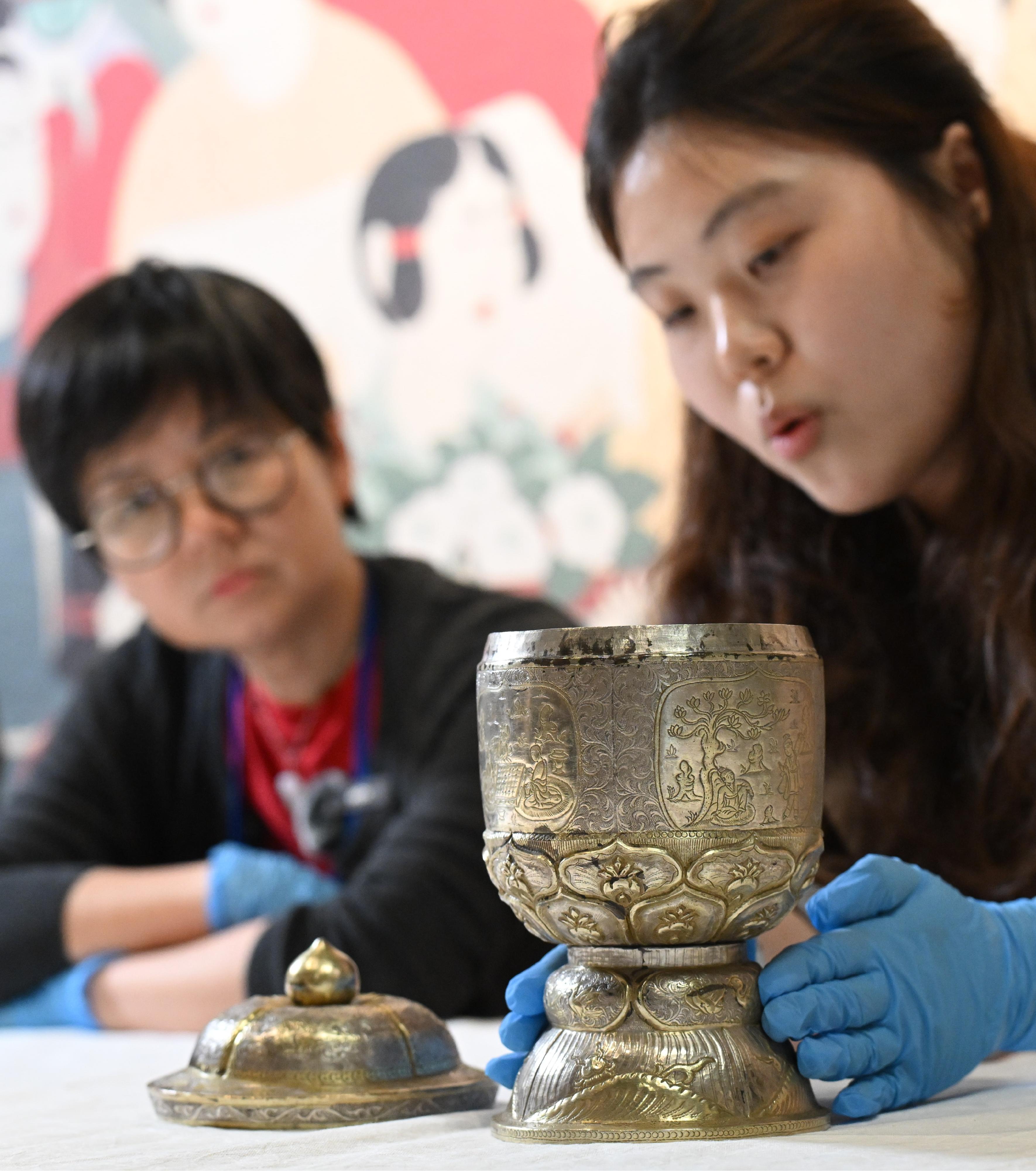
Masterful engravement of patterns and inscriptions on gold ware
The exhibition presents two relics unearthed from the Underground Palace of Famen Temple from the Tang dynasty. Xiangbaozi (silver-gilt incense caddies with scenes showing human figures) were standard parts of the set used by the Tang people in making offerings of incense. The lid of this incense caddy features a raised surface divided into four petals, each adorned with a flying lion. Its background is of scrolling vines. The lid fits snugly onto the body, divided into four sinuously curving arched panels. Each panel shows a scene from a famous classical story. The other exhibit, the pure gold reliquary casket with its roof-curb-shaped lid was created by a famous esoteric Buddhist monk from the late Tang period, Zhihuilun, for holding the relic of the Buddha's actual body. An inscription was engraved on the front of the casket, reflecting the wish for peace, prosperity, and good weather.
Exhibition layout mirroring city planning of Tang Chang'an
The museum designed the layout of the exhibition mirroring the Tang Chang'an City, vividly presenting the large-scale and well-organised city planning to visitors. Multimedia programmes including projections, animation and interactive games will be used to introduce Emperor Taizong of Tang's Six Steeds of Zhaoling, a stone relief showing his six beloved horses, famous historic figures in the Sui and Tang dynasties, women's makeup and the imperial examination system in the Tang dynasty, enabling visitors to view social characteristics of various aspects in Sui Tang period. Apart from the precious cultural relics from Shaanxi, the exhibition will also feature relics of Sui and Tang dynasties unearthed in Hong Kong, including a glazed shard of Changsha ware unearthed from Sham Wan Tsuen, Chek Lap Kok; a spirit jar with its lid unearthed from Shek Kong, Yuen Long; and a celadon cup unearthed from San Tau, Lantau Island, from the Tang dynasty.
This exhibition is jointly presented by the LCSD and the Shaanxi Provincial Cultural Heritage Administration, jointly organised by the HKMH and the Shaanxi Cultural Heritage Promotion Center, solely sponsored by the Hong Kong Jockey Club Charities Trust, in collaboration with the Chinese Culture Promotion Office.
Ends/Wednesday, April 22, 2026
Issued at HKT 17:30
Issued at HKT 17:30
NNNN
Photo