


FEHD continues to actively follow up on food poisoning cases related to consumption of raw oysters and steps up inspections of food premises selling raw oysters (with photos)
******************************************************************************************
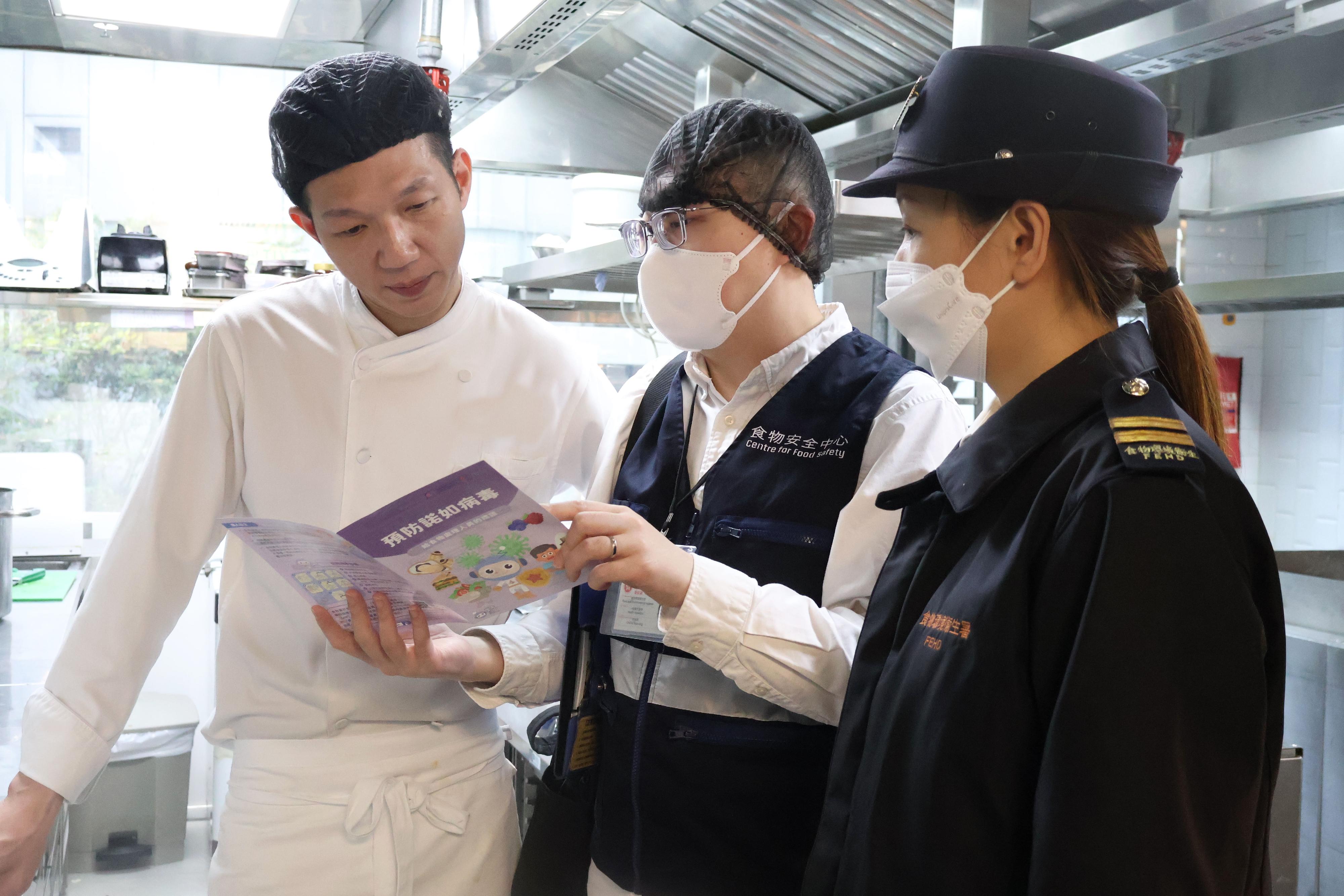
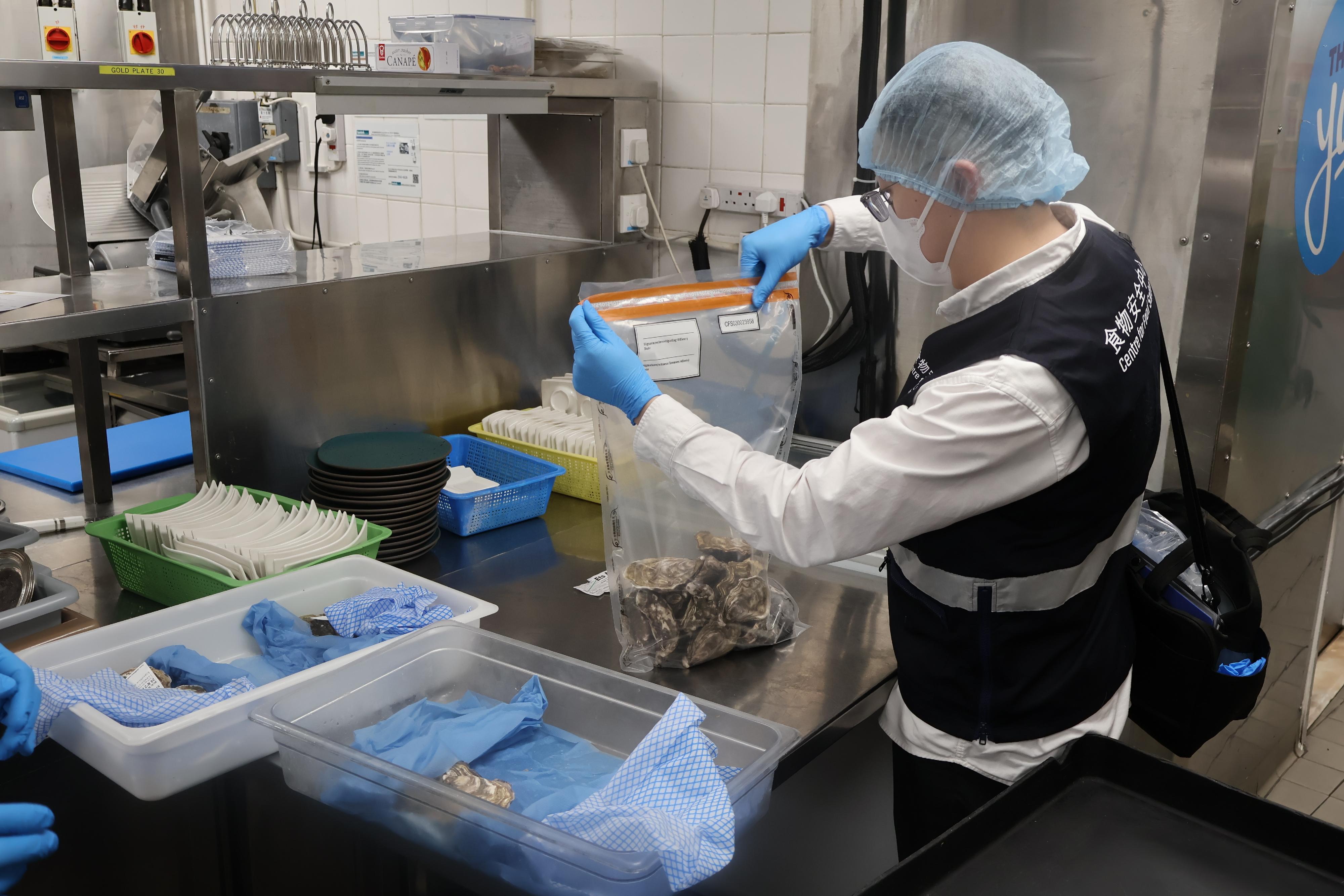
In view of the recent surge in food poisoning cases related to the consumption of raw oysters, the FEHD has carried out special operations and stepped up inspections of various licensed or permitted food premises across Hong Kong, thereby safeguarding food safety and protecting public health. The focuses of the inspections included the storage temperature of raw oysters, storage conditions in designated refrigerators, the sources of supply, the personal hygiene of food handlers, the hygienic condition of the premises, verifying source documents and health certificates, and collecting samples for testing. Over the past five days, the FEHD has inspected about 430 food premises selling oysters, providing immediate advice on food storage, handling and environmental hygiene. Inspections will continue to ensure licensees/permittees comply with licensing conditions and statutory hygiene standards.
The spokesman reminded that as oysters feed by filtering a large volume of seawater and absorbing suspended food particles therein, bacteria (e.g. Vibrio parahaemolyticus and Vibrio vulnificus) and viruses (e.g. norovirus and Hepatitis A virus) may accumulate in them if they are grown in or harvested from contaminated water. Consuming oysters without thorough cooking might risk direct intake of these microorganisms. Susceptible groups, such as pregnant women, young children, the elderly and people with weakened immune systems or liver diseases, should avoid eating them.
Consumers are advised to purchase or consume oysters only from food premises licensed or permitted by the FEHD. The trade and food handlers should understand the importance of adhering to good personal hygiene and proper food handling, and provide regular training on hygiene practices and norovirus-related risks. Hands should be thoroughly washed with soap and water for at least 20 seconds before and after handling food. Separate utensils and cutting boards should be used for raw and ready-to-eat foods, with regular cleaning and disinfection. Food handlers who exhibit symptoms of infection should refrain from handling food until they have been symptom-free for at least 48 hours.
Ends/Tuesday, February 10, 2026
Issued at HKT 23:02
Issued at HKT 23:02
NNNN
Photo