
Go to main content
 
Members of International Advisory Board on Hong Kong Chinese Materia Medica Standards visit GCMTI, endorse reference standards for 16 types of commonly used Chinese Materia Medica (with photos)
******************************************************************************************
     Members of the International Advisory Board (IAB) on Hong Kong Chinese Materia Medica Standards (HKCMMS) today (July 15) visited the permanent premises of the Government Chinese Medicines Testing Institute (GCMTI) of the Department of Health (DH), which opened late last year, to learn more about the GCMTI's work in establishing quality standards, researching and developing innovative testing methods for Chinese medicines (CM), supporting the industry in CM identification, and promoting CM culture.
      
     Equipped with advanced technologies and state-of-the-art equipment, the permanent GCMTI building will further enhance capabilities in developing CMs testing methods and standards, fostering comprehensive, high-quality, and high-level development of CM in Hong Kong. The GCMTI will leverage frontier testing technology and indicators, explore the feasibility of further developing HKCMMS into an international quality evaluation standard for Chinese materia medica (CMM), thereby fostering cross-regional and international trade development for CMM, bringing benefits to related CMs enterprises and the testing and certification industry.
      
     The IAB members commended the GCMTI for conducting numerous rigorous research projects on CM based on the technical foundation of the HKCMMS project. These efforts have made a significant contribution to the scientific identification of CM, and have led to the development of several innovative testing methods. Furthermore, through technology transfer, the GCMTI has strengthened the capabilities of CM and testing industries in quality control and identification.
      
     To date the GCMTI has completed multiple globally leading thematic projects utilising cutting-edge technologies, such as versatile testing methods for chemical markers in proprietary CM, micro-morphological identifications of CM, and the establishment of a three-dimensional image database for traceable CMM through photogrammetry, etc. The results of GCMTI projects have been uploaded to the website of Chinese Medicines Regulatory Office for reference by the CM industry and the public.
      
     Meanwhile, the 14th Meeting of the IAB on HKCMMS, organised by the DH, concluded successfully today. Experts from various countries completed a review of the safety and quality standards for 16 types of CMM, as well as an examination of the safety testing requirements for CMM.
      
     During the two-day meeting, the IAB reviewed the standards for a total of 16 CMM, namely Bambusae Caulis in Taenias, Pyrolae Herba, Natrii Sulfas, Dichroae Radix, Dioscoreae Hypoglaucae Rhizoma, Cynanchi Atrati Radix et Rhizoma, Jasmini Flos, Tinosporae Caulis, Inulae Flos, Haematitum, Lasiosphaera seu Calvatia, Vespae Nidus, Dioscoreae Rhizoma, Aconiti Kusnezoffii Folium, Meliae Cortex and Tripterygii Wilfordii Radix. Following deliberations, the IAB selected 32 CMM as targets for the next phase of standard development.
      
     At the meeting, the experts also reviewed the safety testing requirements for CMM, covering the maximum residue limits for heavy metals, pesticide residues, aflatoxins and sulphur dioxide. The experts are from the Chinese Mainland, Australia, Austria, Canada, Germany, Japan, Thailand, the United Kingdom and the United States, etc.
      
     The GCMTI will continue to integrate into and serve the overall development of the country, promote the internationalisation and standardisation of CM through the HKCMMS, thereby further consolidating Hong Kong's position as an international CM testing and quality control centre.
 
Ends/Wednesday, July 15, 2026
Issued at HKT 18:35
NNNN
Today's Press Releases  

Photo

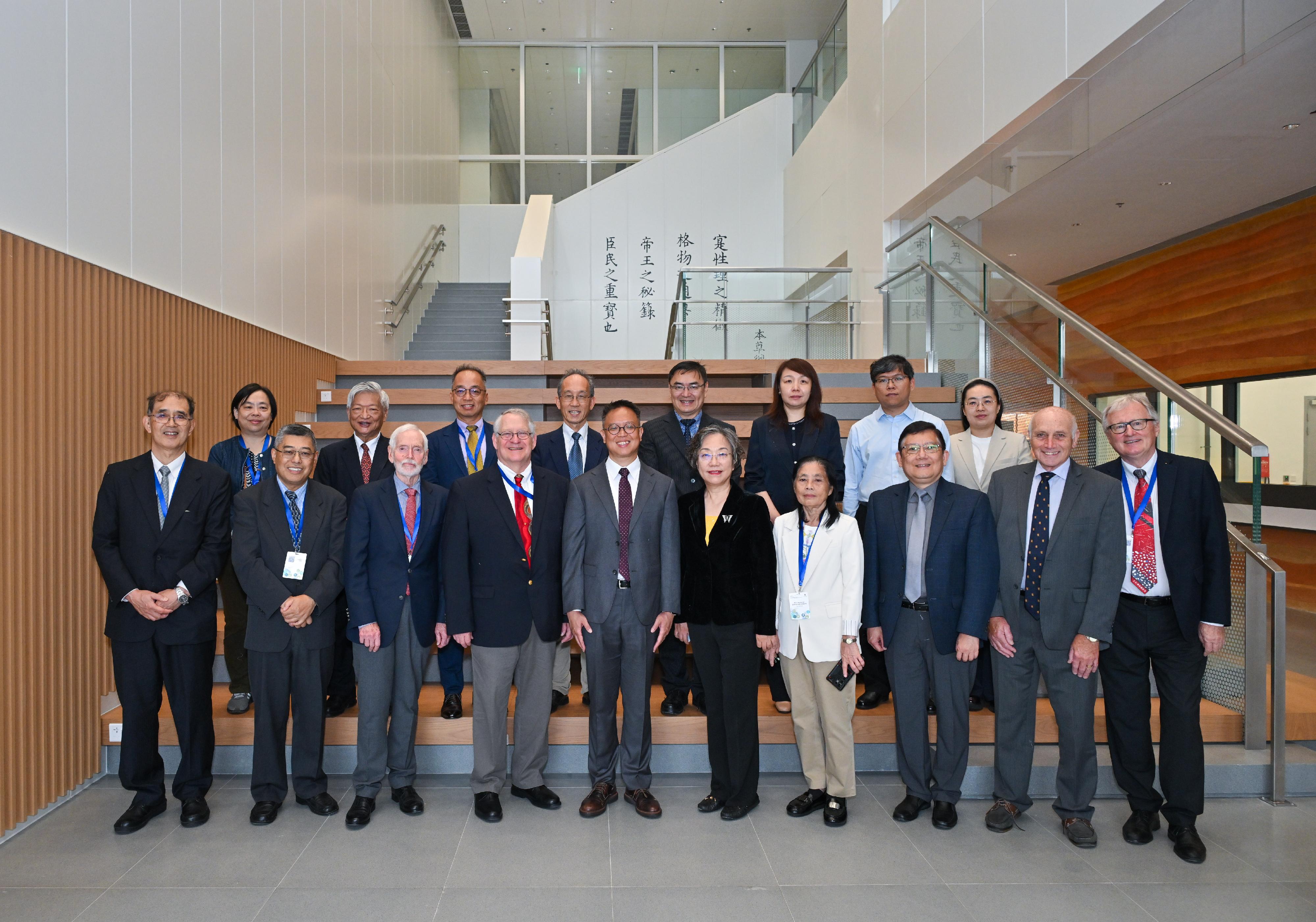
Members of the International Advisory Board (IAB) on Hong Kong Chinese Materia Medica Standards (HKCMMS) today (July 15) visited the permanent premises of the Government Chinese Medicines Testing Institute (GCMTI) of the Department of Health, which opened late last year, to learn more about the GCMTI's work in establishing quality standards, researching and and developing innovative testing methods for Chinese medicines (CM), supporting the industry in CM identification, and promoting CM culture. Photo shows the Assistant Director of Health (Chinese Medicine), Dr Darwin Mak (front row, fifth left), with IAB members and other attendees of the 14th Meeting of the IAB on HKCMMS.
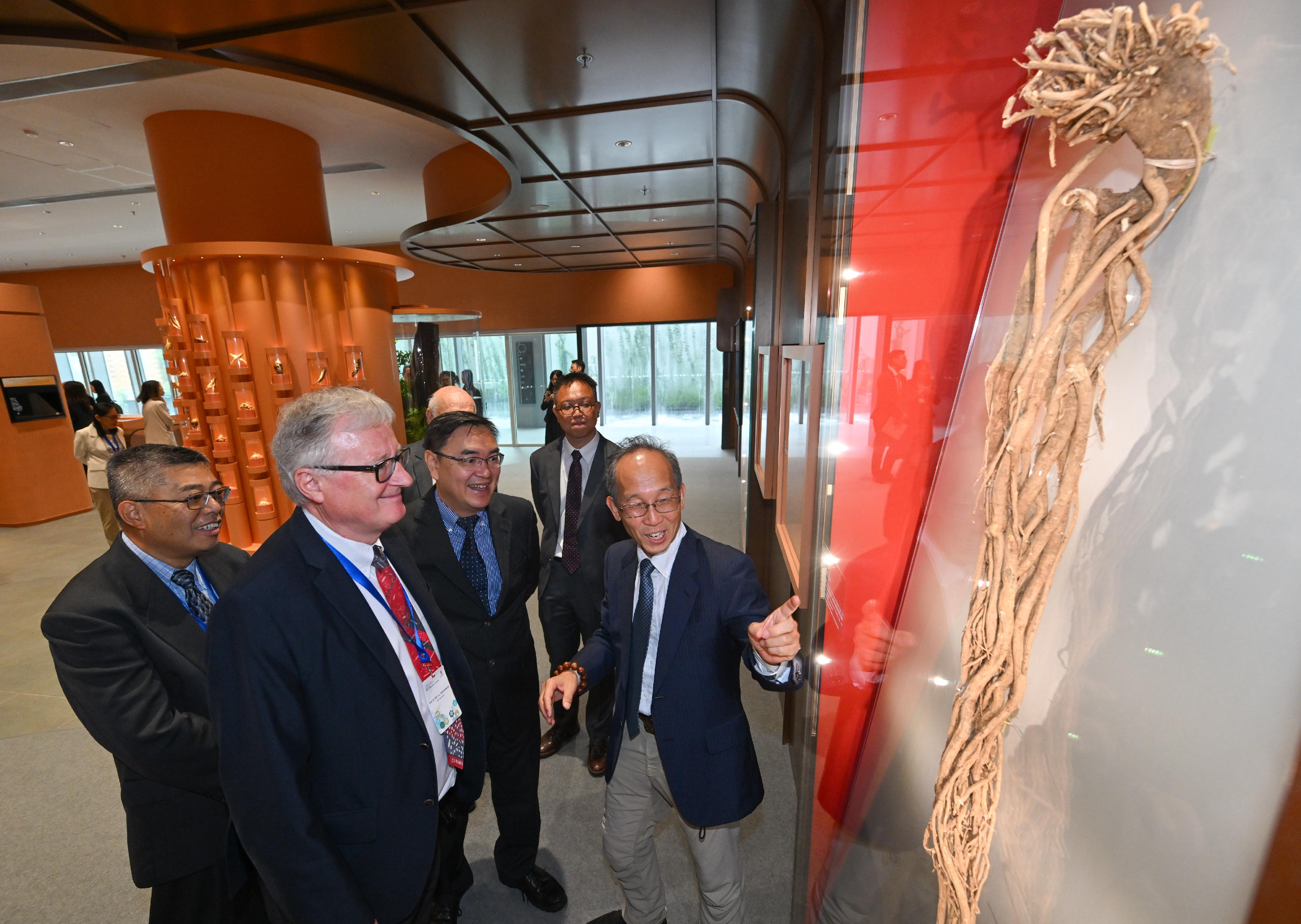
Members of the International Advisory Board (IAB) on Hong Kong Chinese Materia Medica Standards today (July 15) visited the permanent premises of the Government Chinese Medicines Testing Institute (GCMTI) of the Department of Health, which opened late last year, to learn more about the GCMTI's work in establishing quality standards, researching and and developing innovative testing methods for Chinese medicines (CM), supporting the industry in CM identification, and promoting CM culture. Photo shows IAB members visiting a specimen of Astragali Radix endowed by the country inside the Chinese Medicines Herbarium of the GCMTI.
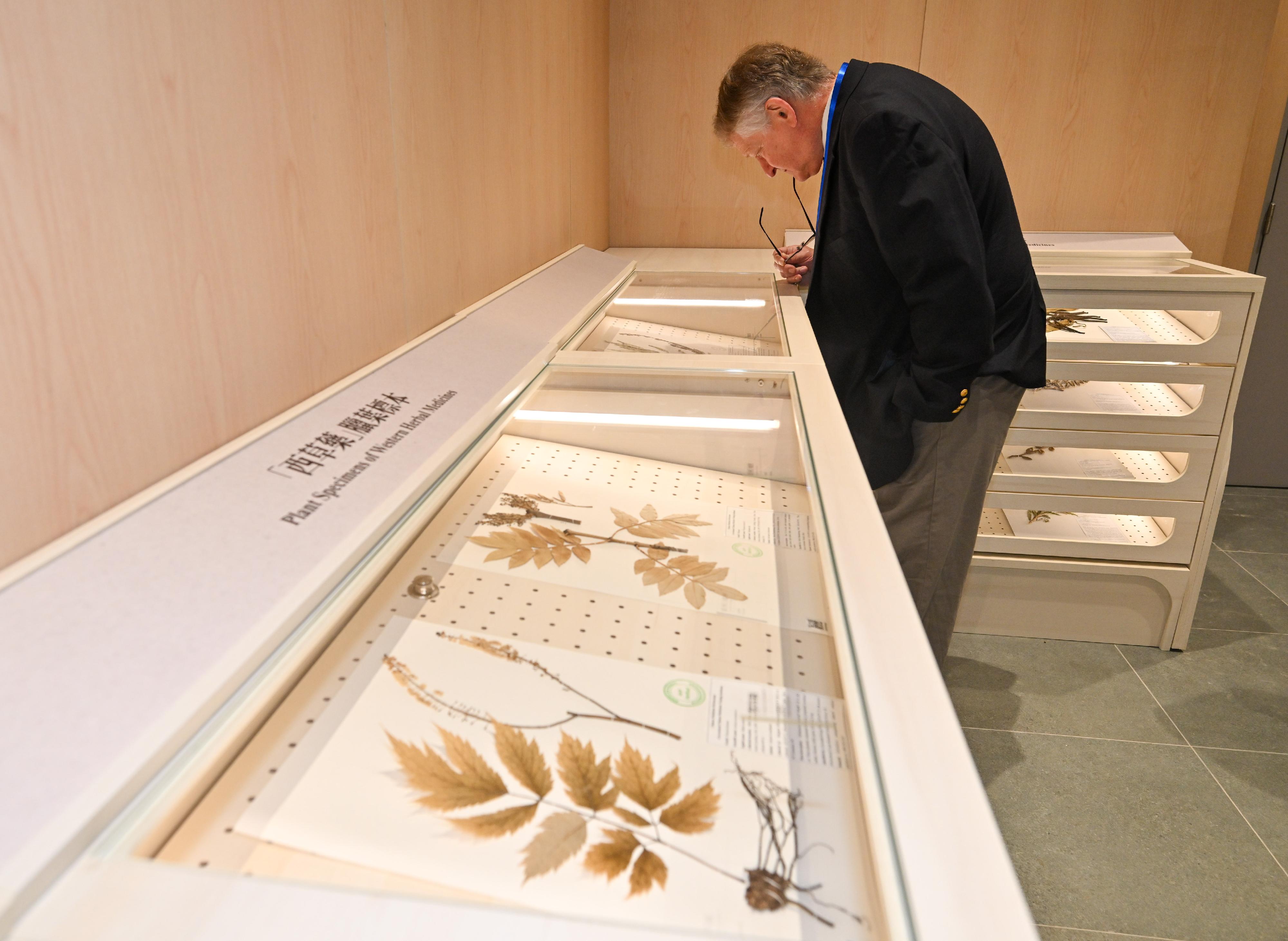
Members of the International Advisory Board (IAB) on Hong Kong Chinese Materia Medica Standards today (July 15) visited the permanent premises of the Government Chinese Medicines Testing Institute (GCMTI) of the Department of Health, which opened late last year, to learn more about the GCMTI's work in establishing quality standards, researching and developing innovative testing methods for Chinese medicines (CM), supporting the industry in CM identification, and promoting CM culture. Photo shows an IAB member closely observing herbal specimens inside the Chinese Medicines Herbarium of the GCMTI.
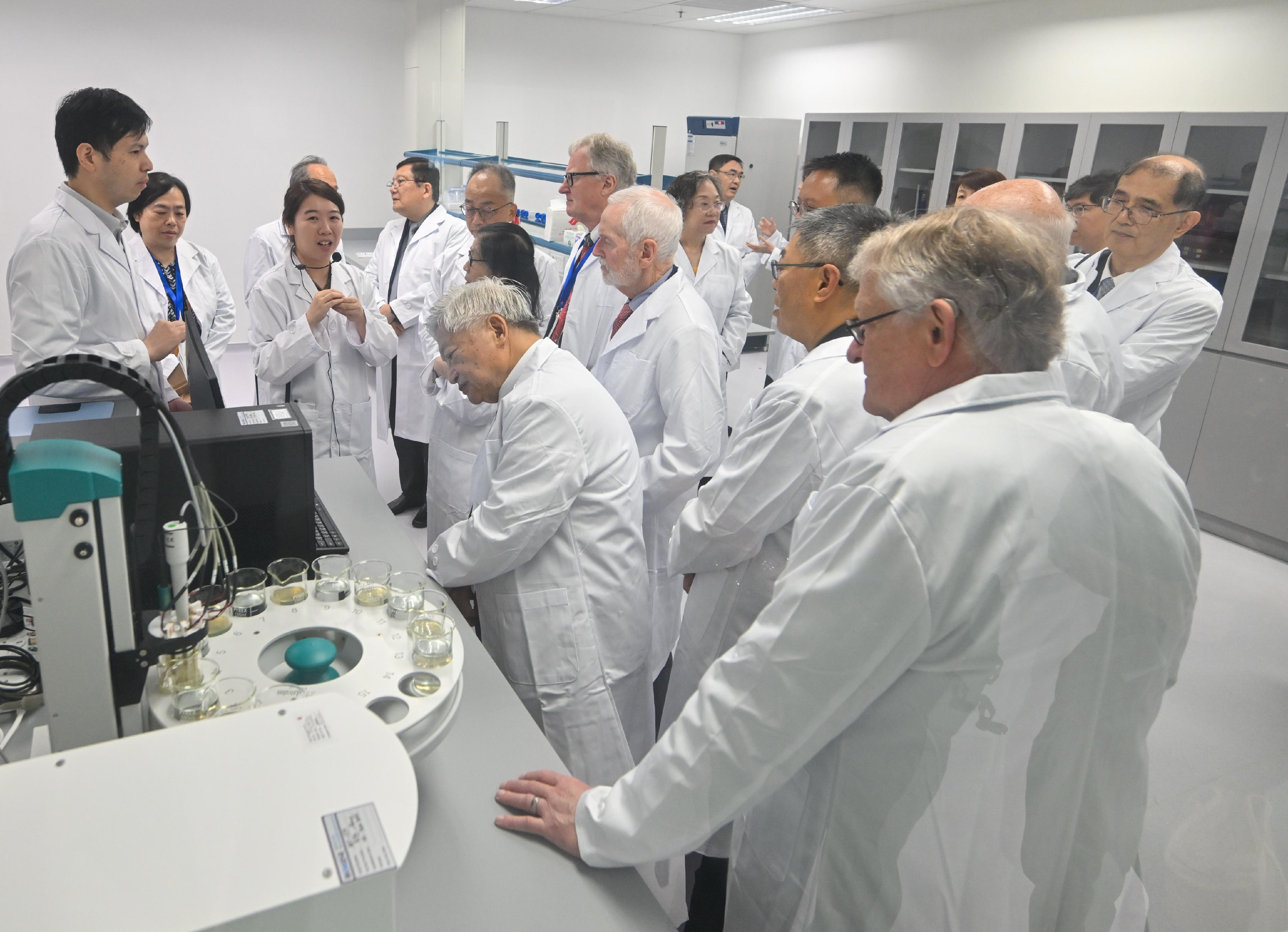
Members of the International Advisory Board (IAB) on Hong Kong Chinese Materia Medica Standards today (July 15) visited the permanent premises of the Government Chinese Medicines Testing Institute (GCMTI) of the Department of Health, which opened late last year, to learn more about the GCMTI's work in establishing quality standards, researching and developing innovative testing methods for Chinese medicines (CM), supporting the industry in CM identification, and promoting CM culture. Photo shows IAB members visiting the Advanced Pharmacognostic Laboratory of the GCMTI. The laboratory features an electronic nose analysis room, an electronic tongue analysis room, a colour and shade analysis room, and a computer-aided identification room, supporting sophisticated analysis of CM.
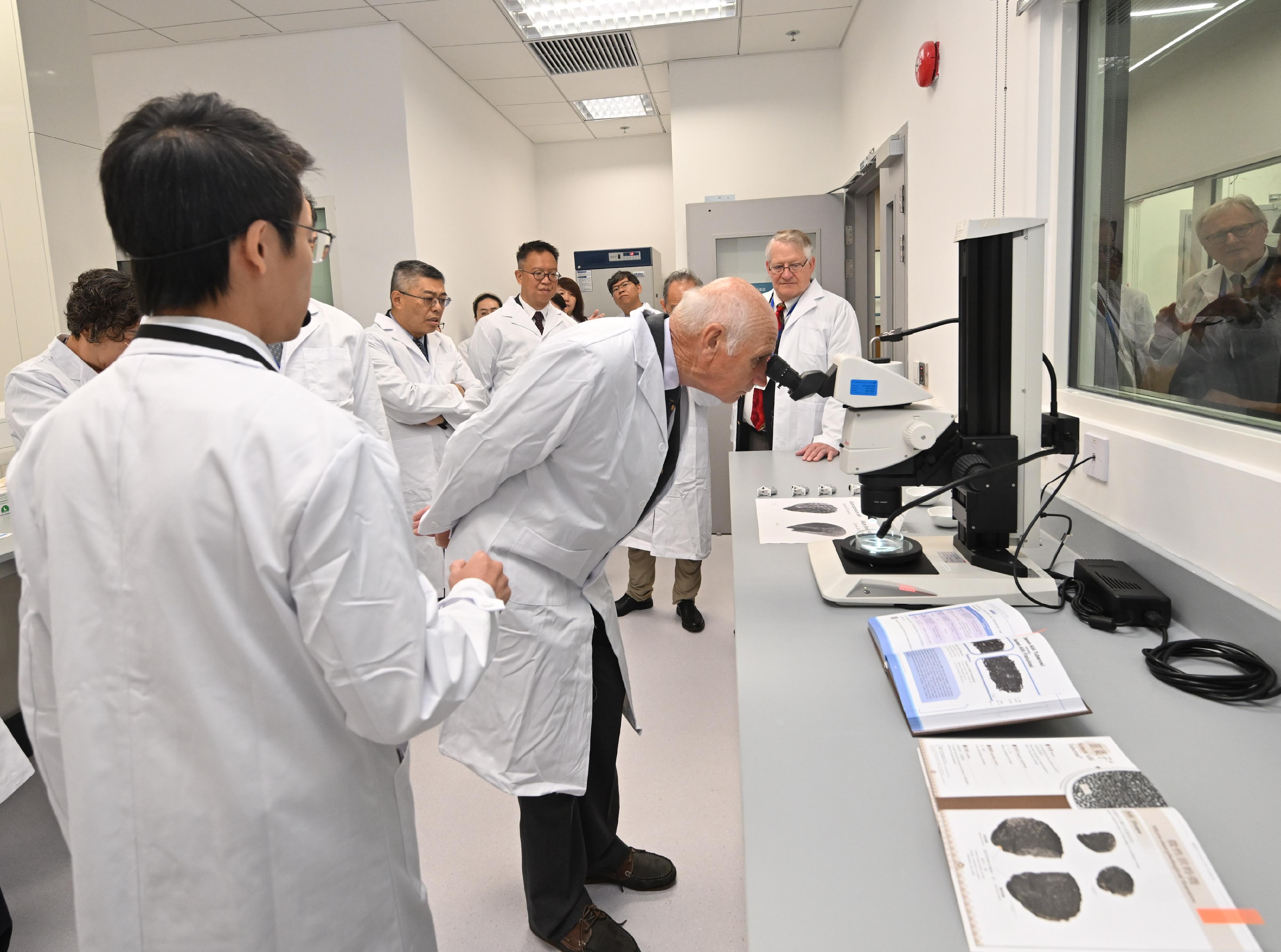
Members of the International Advisory Board (IAB) on Hong Kong Chinese Materia Medica Standards today (July 15) visited the permanent premises of the Government Chinese Medicines Testing Institute (GCMTI) of the Department of Health, which opened late last year, to learn more about the GCMTI's work in establishing quality standards, researching and developing innovative testing methods for Chinese medicines (CM), supporting the industry in CM identification, and promoting CM culture. Photo shows IAB members visiting the Macroscopic Identification Laboratory of the GCMTI. Equipped with high-resolution digital cameras and professional lighting equipment, the laboratory is also responsible for developing standards and building a knowledge base for "micro-morphological identification", which involves using a stereomicroscope to magnify tiny features of samples that are difficult to detect or see clearly with the naked eye, providing more reliable evidence for Chinese Materia Medica sample identification.
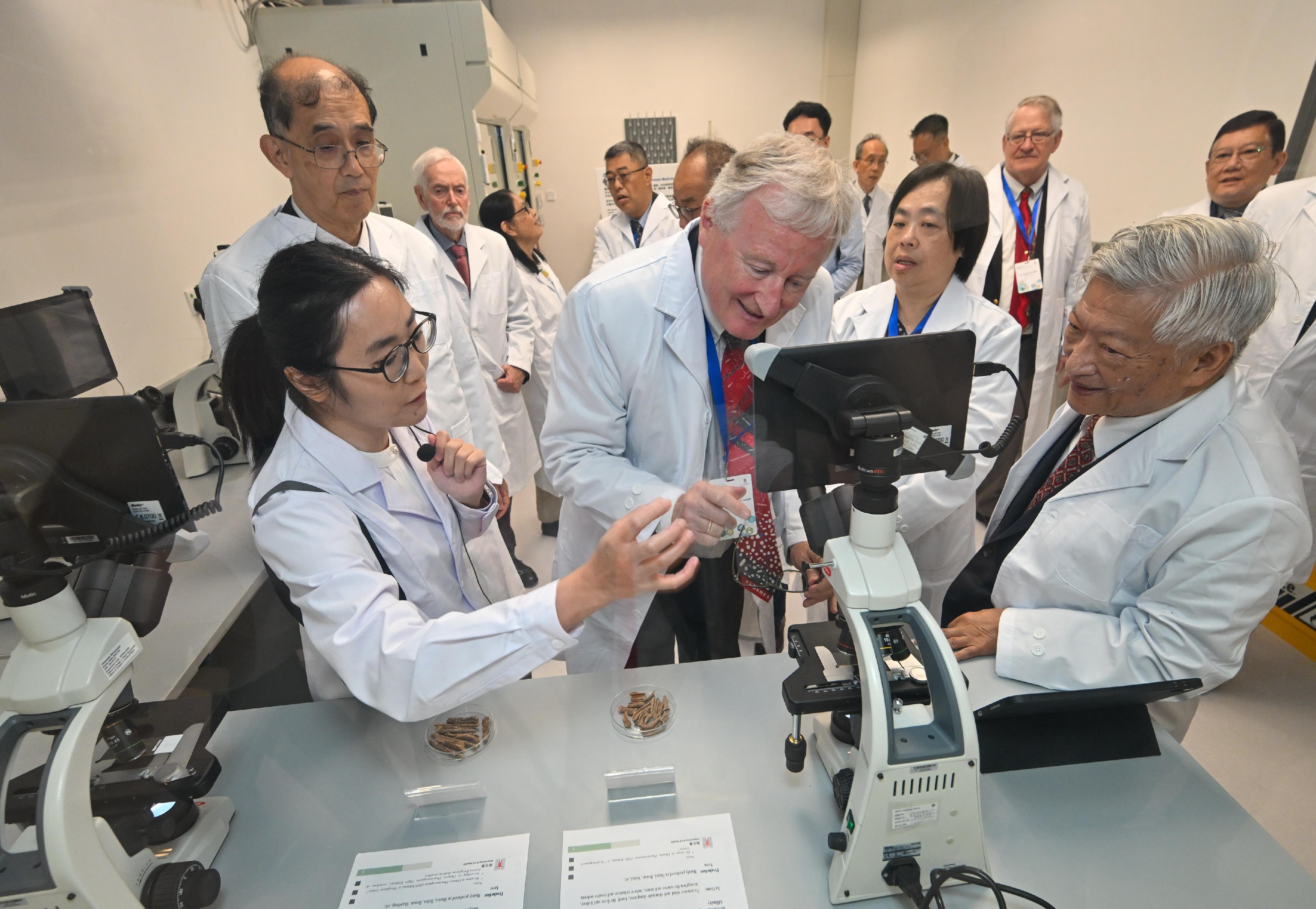
Members of the International Advisory Board (IAB) on Hong Kong Chinese Materia Medica Standards today (July 15) visited the permanent premises of the Government Chinese Medicines Testing Institute (GCMTI) of the Department of Health, which opened late last year, to learn more about the GCMTI's work in establishing quality standards, researching and developing innovative testing methods for Chinese medicines (CM), supporting the industry in CM identification, and promoting CM culture. Photo shows IAB members visiting the Microscopic Identification Laboratory of the GCMTI to learn about the innovative Simplified Powder Microscopic Identification method, which offers a straightforward and accurate way to identify cortex type of decoction pieces that have few and similar macroscopic features.
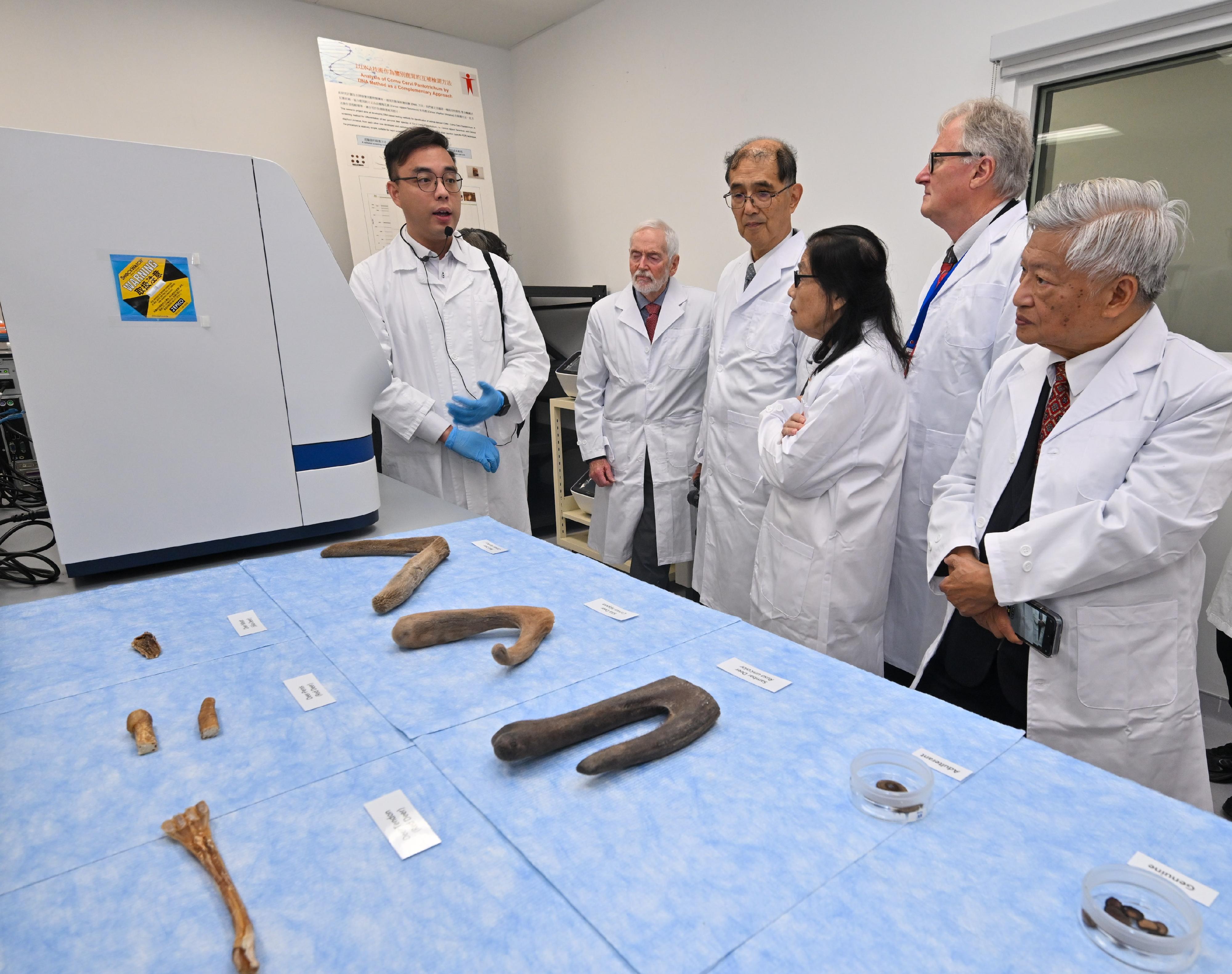
Members of the International Advisory Board (IAB) on Hong Kong Chinese Materia Medica Standards today (July 15) visited the permanent premises of the Government Chinese Medicines Testing Institute (GCMTI) of the Department of Health, which opened late last year, to learn more about the GCMTI's work in establishing quality standards, researching and developing innovative testing methods for Chinese medicines (CM), supporting the industry in CM identification, and promoting CM culture. Photo shows IAB members visiting the DNA Laboratory of the GCMTI. Equipped with versatile instruments for comprehensive DNA analyses, the laboratory uses DNA technologies to enhance the genetic traceability between CM and their origin plant or animal species to ensure the quality and safety of CM.