


Microbiology Division of DH CHP's Public Health Laboratory Services Branch designated by WHO as Collaborating Centre on Quality and Capacity Building for Global Influenza Surveillance and Response System, hosts two international expert meetings (with photos)
******************************************************************************************
WHO GISRS Collaborating Centre
----------------------------------------------
The GISRS is a global platform established by the WHO for the surveillance, prevention and control of influenza. It co-ordinates the public health responses against influenza and other infections caused by respiratory pathogens. As a WHO GISRS Collaborating Centre, the Microbiology Division of the PHLSB is tasked with supporting global influenza laboratories in enhancing their quality and capacity.
The Microbiology Division of the PHLSB provides laboratory diagnostic services for disease surveillance and control, health promotion and disease prevention. It has maintained close collaboration with the WHO for many years and was designated by the WHO as a National Influenza Centre and an Influenza A H5 Reference Laboratory in 1963 and 2004 respectively. Since 2007, the Microbiology Division has also supported the WHO in organising an External Quality Assessment Programme for GISRS to ascertain the standards of laboratories worldwide and to ensure adequate testing capacity to support global effort in influenza prevention and control.
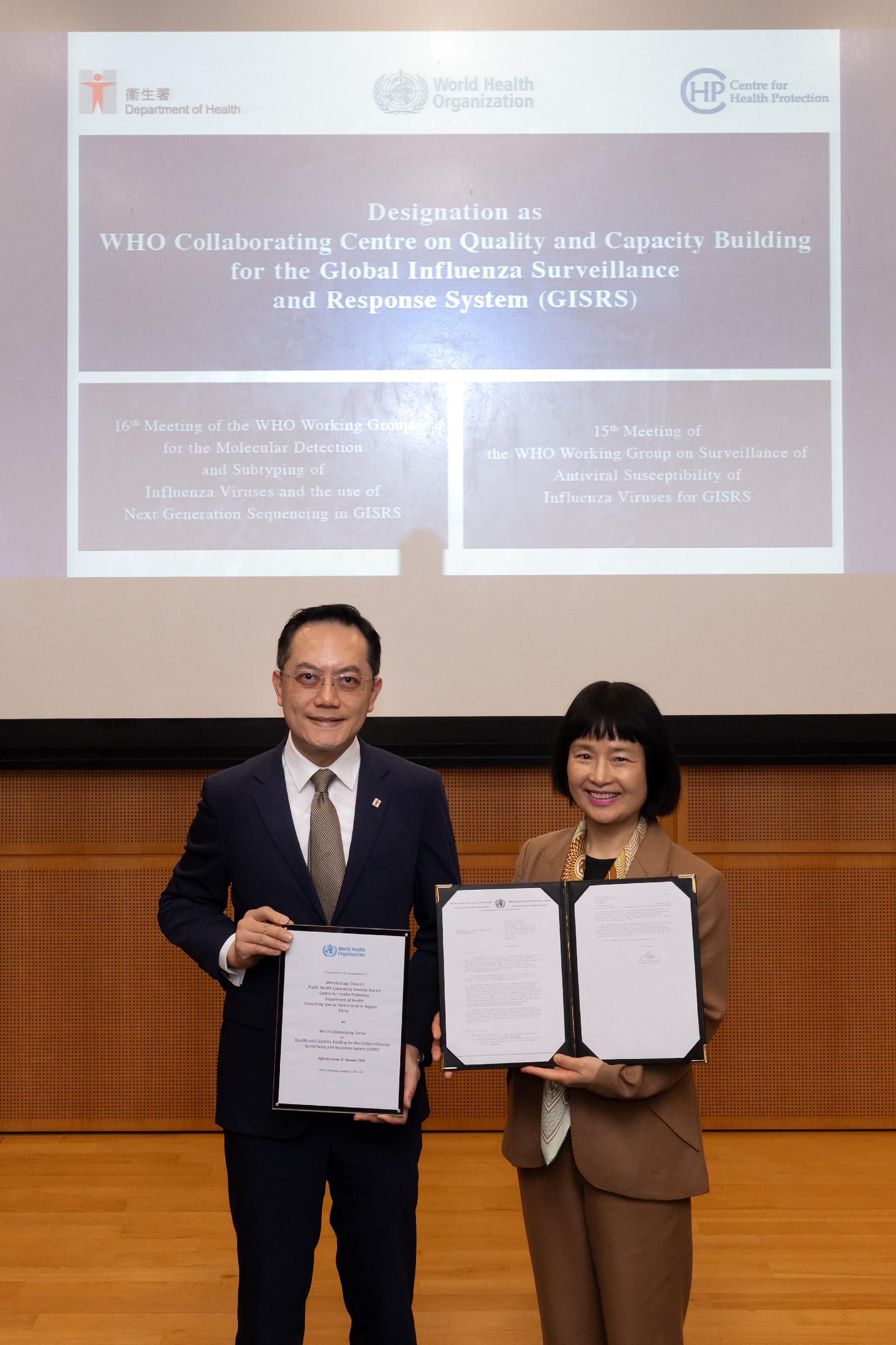
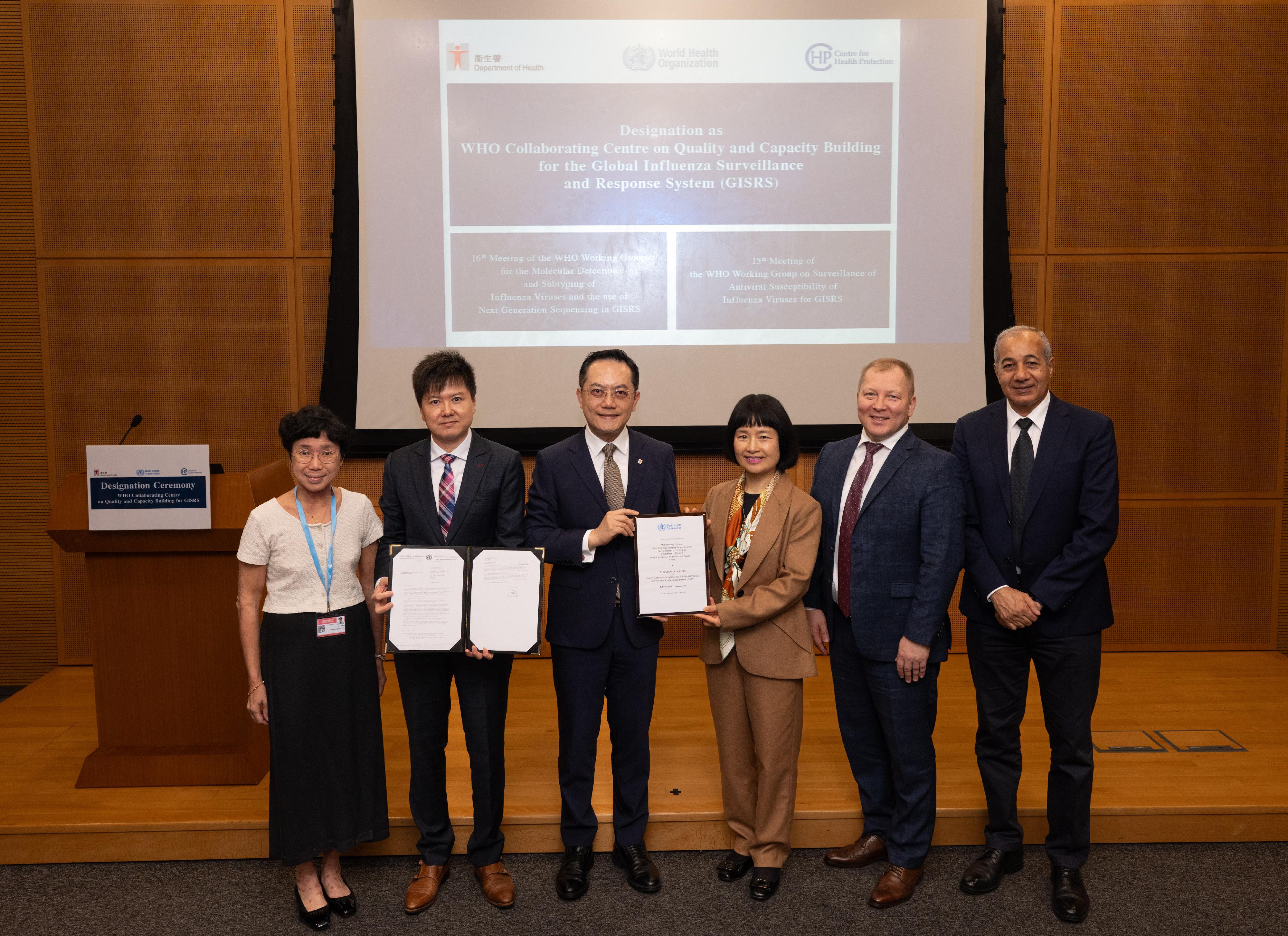
The Head of Global Respiratory Threats of the WHO, Dr Zhang Wenqing, was present at the Public Health Laboratory Centre today to officiate at the ceremony to present the letter of designation to the DH.
Dr Zhang said that the DH has been an important partner of the GISRS for decades, in particular on supporting influenza laboratories worldwide to enhance their quality and capacity for nearly 20 years, playing a crucial role in the WHO's mission on influenza surveillance, preparedness, prevention and control efforts. The DH's professional expertise, rigorous quality management system and broad experience contribute to the global influenza surveillance system, consolidating international efforts to combat influenza more effectively.
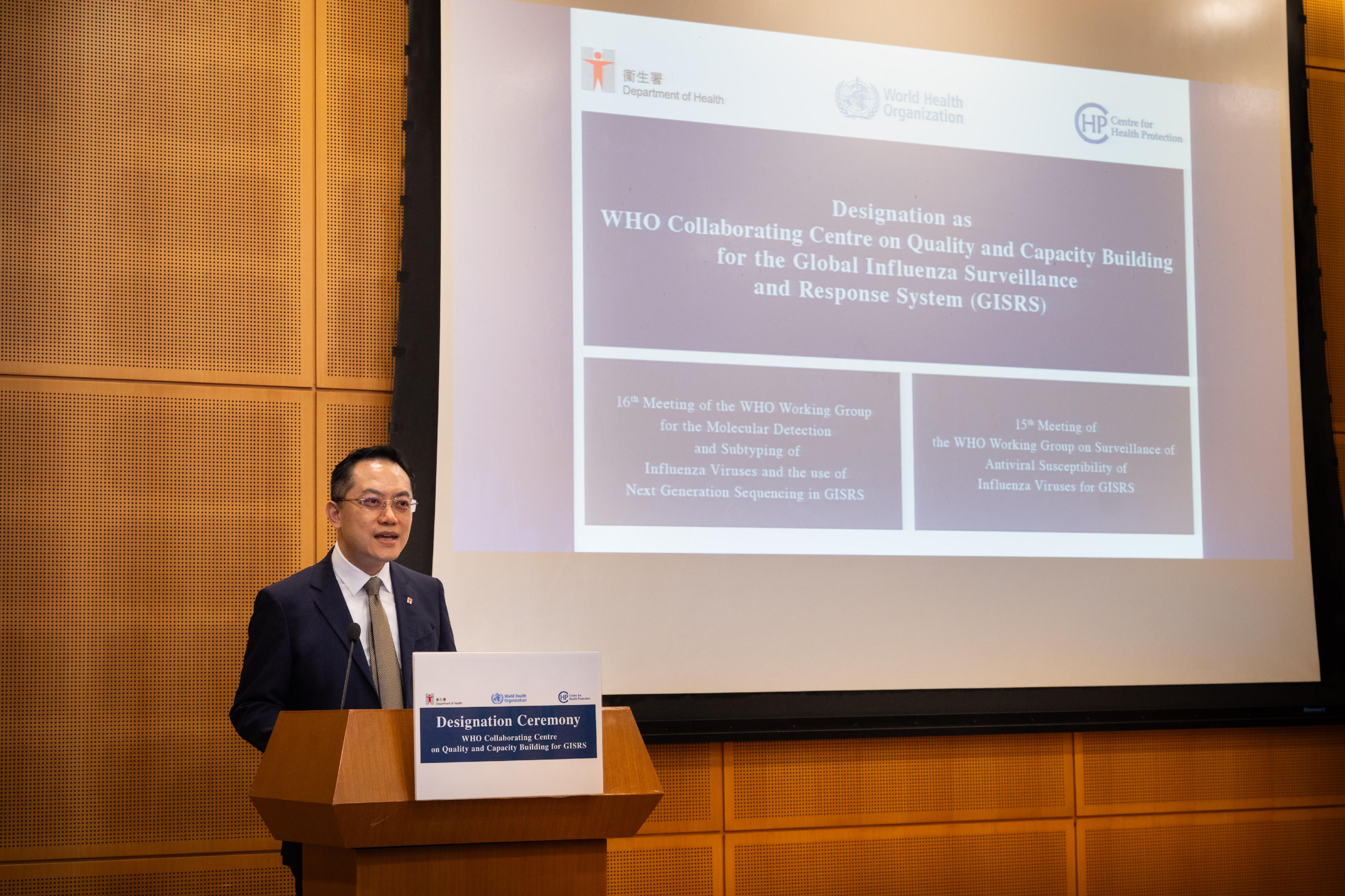
The Director of Health, Dr Ronald Lam, expressed gratitude for the WHO's confidence and trust. He emphasised that the DH will continue to uphold its professionalism, safeguarding public health in Hong Kong and globally by maintaining high-quality standards.
Dr Lam said, "Staff of the PHLSB under the CHP have consistently fulfilled their role with dedication, demonstrating professionalism, high efficiency, and a strong sense of responsibility. They have steadfastly safeguarded the health of all Hong Kong citizens, particularly during major public health events, when they provided testing services selflessly and against all odds. Their efforts have provided necessary scientific information, underpinning epidemiological investigations and outbreak control, thereby preventing the community spread of infections. In addition to safeguarding the health of Hong Kong citizens, the PHLSB has also been actively participating in the WHO's laboratory networks for other communicable diseases. The designation by the WHO as Collaborating Centre on Quality and Capacity Building for the GISRS fully demonstrates that Hong Kong's public health laboratory is on par with international standards. Going forward, the DH will continue to collaborate with the WHO and its member states to actively participate in national health governance, and to leverage Hong Kong's role as a 'super connector' under the 'one country, two systems' principle, in order to serve the broader interests of national health and medical development and to act as a vital link between the Chinese Mainland and international health partners."
WHO influenza expert working group meetings
-----------------------------------------------------------
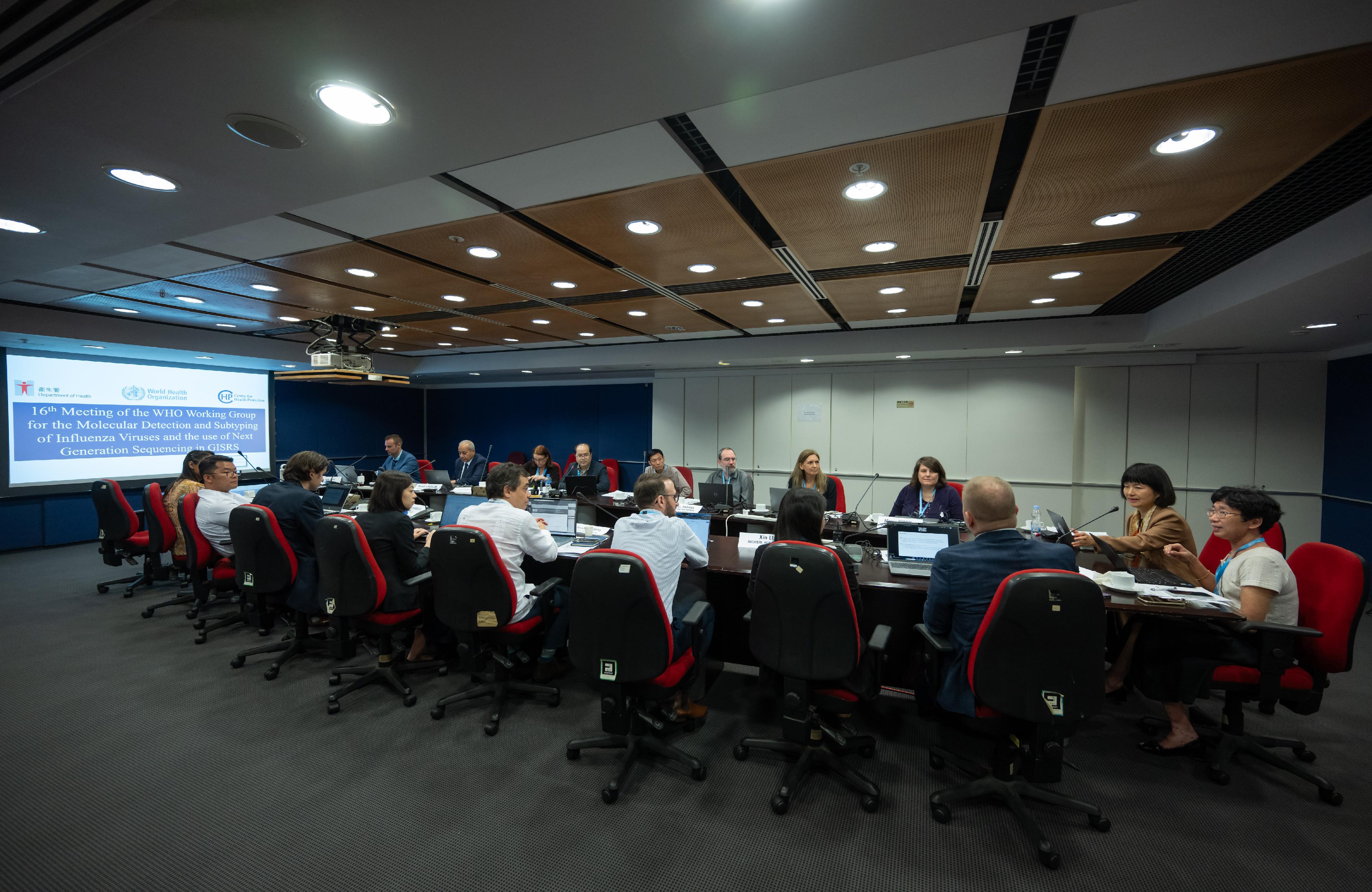
Starting from today, the WHO is convening two successive international expert working group meetings on influenza in Hong Kong, China, bringing together influenza experts from around the world to discuss laboratory testing, and prevention and control of influenza. The meetings are conducted in hybrid format with in-person and virtual participation. The two working group meetings are the 16th Meeting of the WHO Working Group for the Molecular Detection and Subtyping of Influenza Viruses and the use of Next Generation Sequencing in the GISRS, which focuses on the application and optimisation of molecular techniques for detection and sequencing of influenza viruses; and the 15th Meeting of the WHO Working Group on Surveillance of Antiviral Susceptibility of Influenza Viruses for the GISRS, which will address core issues such as antiviral treatment for influenza and surveillance of antiviral susceptibility.
Ends/Monday, June 8, 2026
Issued at HKT 12:08
Issued at HKT 12:08
NNNN
Photo