


CHP actively follows up on local case of dengue fever (with photos)
*******************************************************************
Case details
---------------
The case involves a 67-year-old male with underlying illnesses. He developed a rash on May 24 and fever, dizziness and muscle ache on May 26. He attended the Accident and Emergency Department of Caritas Medical Centre for treatment on the same day. Due to his persistent fever, he sought further medical attention at a private clinic three days later (May 29). His symptoms remained mild throughout this period. Yesterday (June 1), he travelled to the Chinese Mainland with a family member and sought medical treatment at a hospital there as he was feeling unwell. His blood sample tested positive for dengue virus upon laboratory testing by the health authorities of the Chinese Mainland. The patient remains hospitalised in the Chinese Mainland and is in stable condition.
The CHP's initial investigations revealed that the patient lives in Ki Lung Street in Sham Shui Po and is retired. He had no travel history during the incubation period (May 10 to 21). He primarily stayed in the vicinity of his residence (including Tung Chau Street Park and Pei Ho Street Market). He did not recall being bitten by mosquitoes in Hong Kong recently and his four household contacts remain asymptomatic.
The CHP will maintain close liaison with the health authorities of the Chinese Mainland and exchange relevant information on epidemiological investigation.
Including the above case, a total of 21 DF cases have been recorded so far this year, including 19 imported cases and two local cases. Last year (2025), 59 DF cases were recorded, all of which were imported. In 2024, 161 DF cases were recorded, including 156 imported cases and five local cases.
Government's comprehensive follow-up actions
----------------------------------------------------------
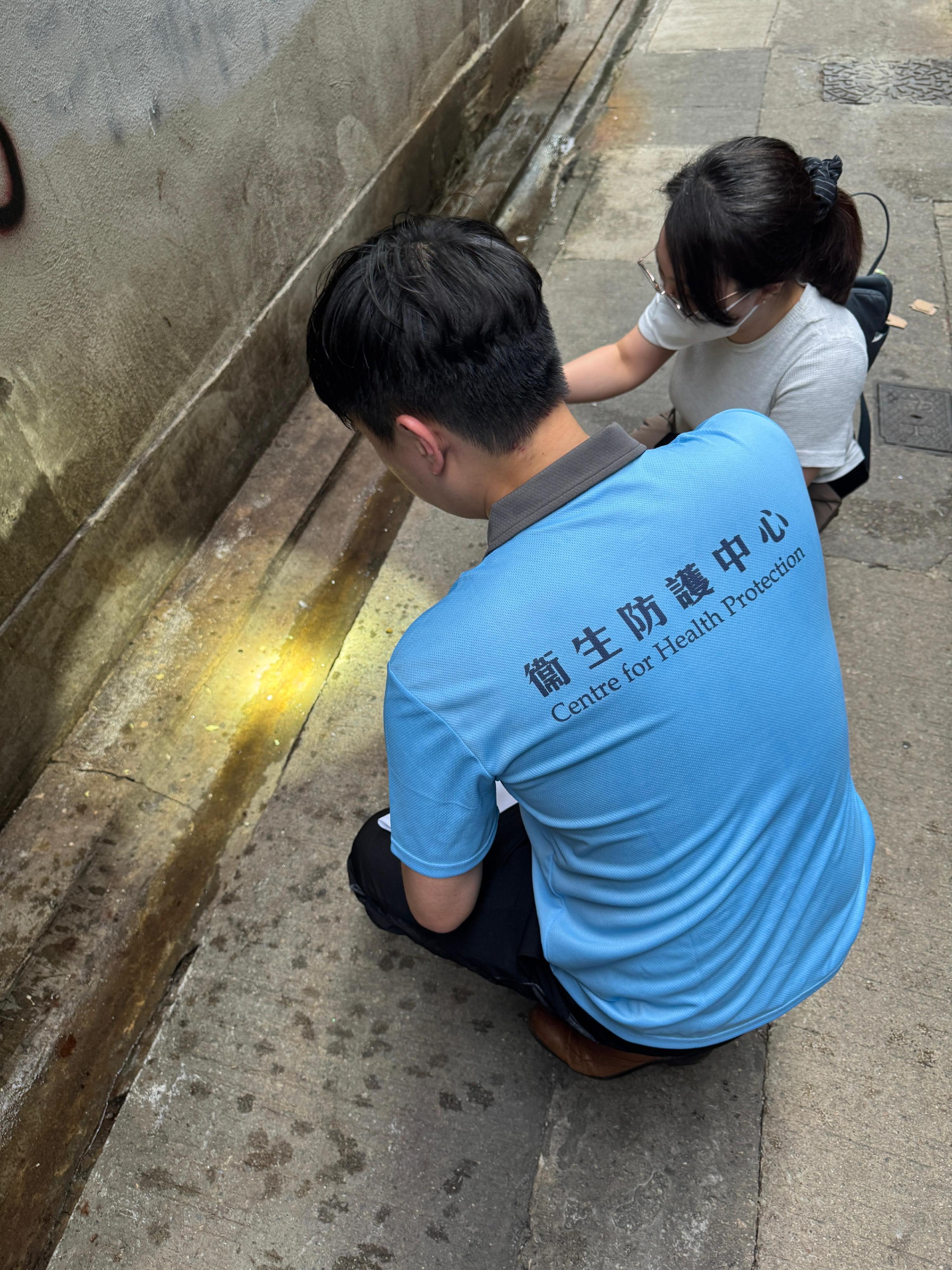
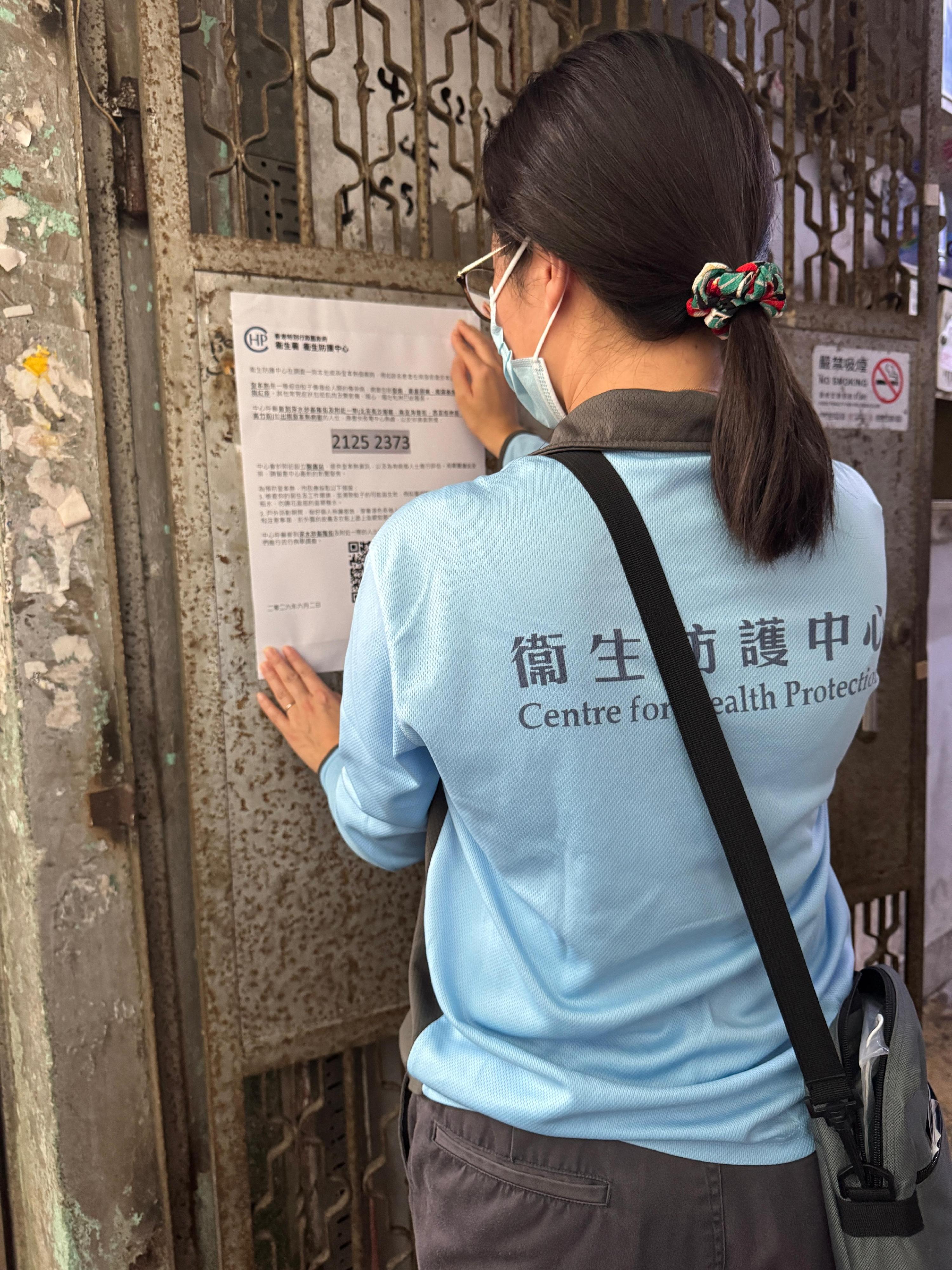
"The DH is conducting comprehensive follow-up actions in collaboration with relevant departments, including the Food and Environmental Hygiene Department (FEHD) and the Sham Shui Po District Office. The CHP has conducted inspections and epidemiological investigations in the vicinity of patient's residence. As the patient had been active in Sham Shui Po after the onset of his illness, the CHP will, as a precautionary measure, set up a health consultation booth at the Neighbour Care · Buildings Support Center (Address: 165 Tai Nan Street, Sham Shui Po) starting from tomorrow (June 3) to provide health assessment and conduct free DF antibody tests for members of the public with relevant symptoms. The health consultation booth will be open from 10am to 6pm. The CHP will also set up an enquiry hotline (tel: 2125 2373), which will operate from 9am to 6pm starting tomorrow.
In addition, the CHP staff will distribute leaflets with health information on DF prevention to local residents and remind the public to be aware of the relevant symptoms and to maintain good hygiene at home. The CHP will jointly organise a health talk with the Sham Shui Po District Office and the FEHD at the Shamshuipo Kaifong Welfare Advancement Association (Address: 88 Yu Chau Street, Sham Shui Po) at 6pm tomorrow, aiming to raise public awareness of how to prevent mosquito-borne diseases and encourage people to participate in prevention and control measures to protect themselves and others. The CHP will also send a letter to doctors, hospitals, schools and institutions to explain the latest situation regarding DF and remind them to remain vigilant. If there are any suspected cases, they should immediately notify the CHP for follow-up. Finally, I would like to remind the public to stay vigilant and take proper mosquito control and personal protective measures both locally and when travelling. According to surveillance data of the Aedes mosquito from the FEHD, the Area Gravidtrap Index for Sham Shui Po and Shek Kip Mei was 26.2 per cent. As compared with last year, the rise in gravidtrap indexes occurred earlier this year. Depending on factors like rainfall, the indexes may rise further. Therefore, we anticipate that the risk of local transmission triggered by imported cases will rise significantly in the coming months," said the Controller of the CHP, Dr Edwin Tsui.
In light of the local case, the FEHD has immediately taken follow-up actions, including:
- carrying out vector investigations and mosquito control operations, including removing stagnant water, applying insecticides and fogging in scrubby areas within a 250-metre radius of the relevant locations to kill adult mosquitoes;
- strengthening inspections of the high-risk locations and providing departments and the industry with professional advice and technical support; and
- enhancing public education efforts through organising health talks, setting up mobile education stations, and distributing publicity leaflets, to raise public awareness of mosquito prevention and control.
The abovementioned measures will be continued. Furthermore, the Government will further enhance the mosquito control efforts in addition to the existing measures.
Preventive measures to be taken by the public
----------------------------------------------------
Members of the public should use DEET-containing insect repellents or other effective active ingredients properly to prevent mosquito bites, but the following precautions should be taken when using them:
- read the label instructions carefully first;
- apply right before entering an area with a risk of mosquito bites;
- apply on exposed skin and clothing;
- use DEET of up to 30 per cent for pregnant women and up to 10 per cent for children (for children who travel to countries or areas where mosquito-borne diseases are endemic or epidemic, and where exposure is likely, those aged 2 months or above can use DEET-containing insect repellents with a DEET concentration of up to 30 per cent);
- apply sunscreen first, then insect repellent;
- reapply only when needed and follow the instructions; and
- in addition to DEET, there are other insect repellents available on the market containing different active ingredients, such as IR3535 and picaridin. When using any insect repellent, the public should follow the usage instructions and precautions on the product label.
The FEHD also appeals to members of the public to continue to stay alert and work together to carry out mosquito prevention and control measures early, including inspecting their homes and surroundings to remove potential breeding grounds, changing water in vases and scrubbing their inner surfaces, removing water in saucers under potted plants at least once a week, and properly disposing of containers such as empty cans and lunch boxes. The FEHD also advises members of the public and property management agencies to keep drains free of blockage and level all defective ground surfaces to prevent the accumulation of water. They should also scrub all drains and surface sewers with an alkaline detergent at least once a week to remove any mosquito eggs.
The public should call 1823 in case of mosquito problems, and may visit the following pages for more information: the CF page of the CHP and the Travel Health Service, the latest Travel Health News, tips for using insect repellents, and the CHP Facebook Page, Instagram Account and YouTube Channel, and also the Mosquito Prevention and Control dedicated page of the FEHD.
Ends/Tuesday, June 2, 2026
Issued at HKT 21:50
Issued at HKT 21:50
NNNN
Photo