
*********************************************************
A public opinion survey commissioned by the Hong Kong Observatory shows that the accuracy of its weather forecasts is improving.
The poll, which has been conducted regularly by independent survey companies since 1989, aims to gauge public opinion on the accuracy of the weather forecasts and warnings issued by the Observatory.
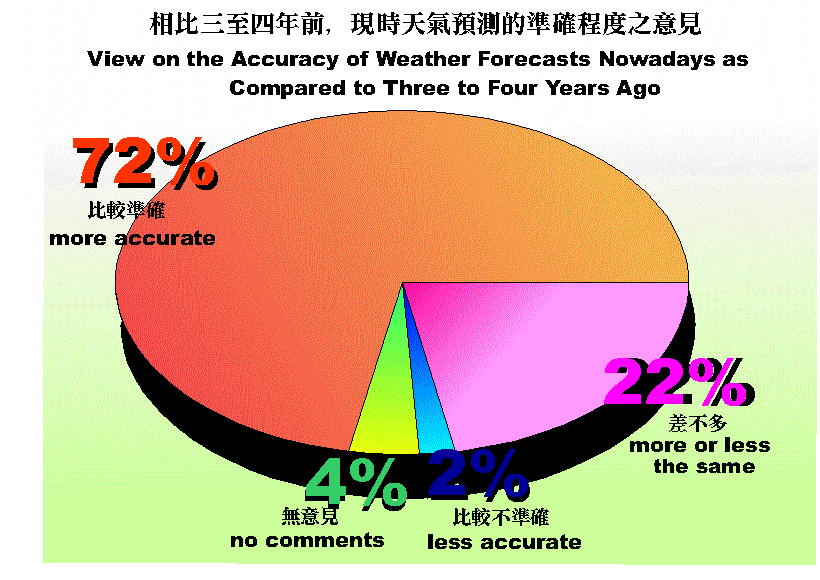
According to the latest survey, 72 per cent of the 1,000 respondents considered that the weather forecasts nowadays were more accurate than those of three to four years ago (see Figure 1).
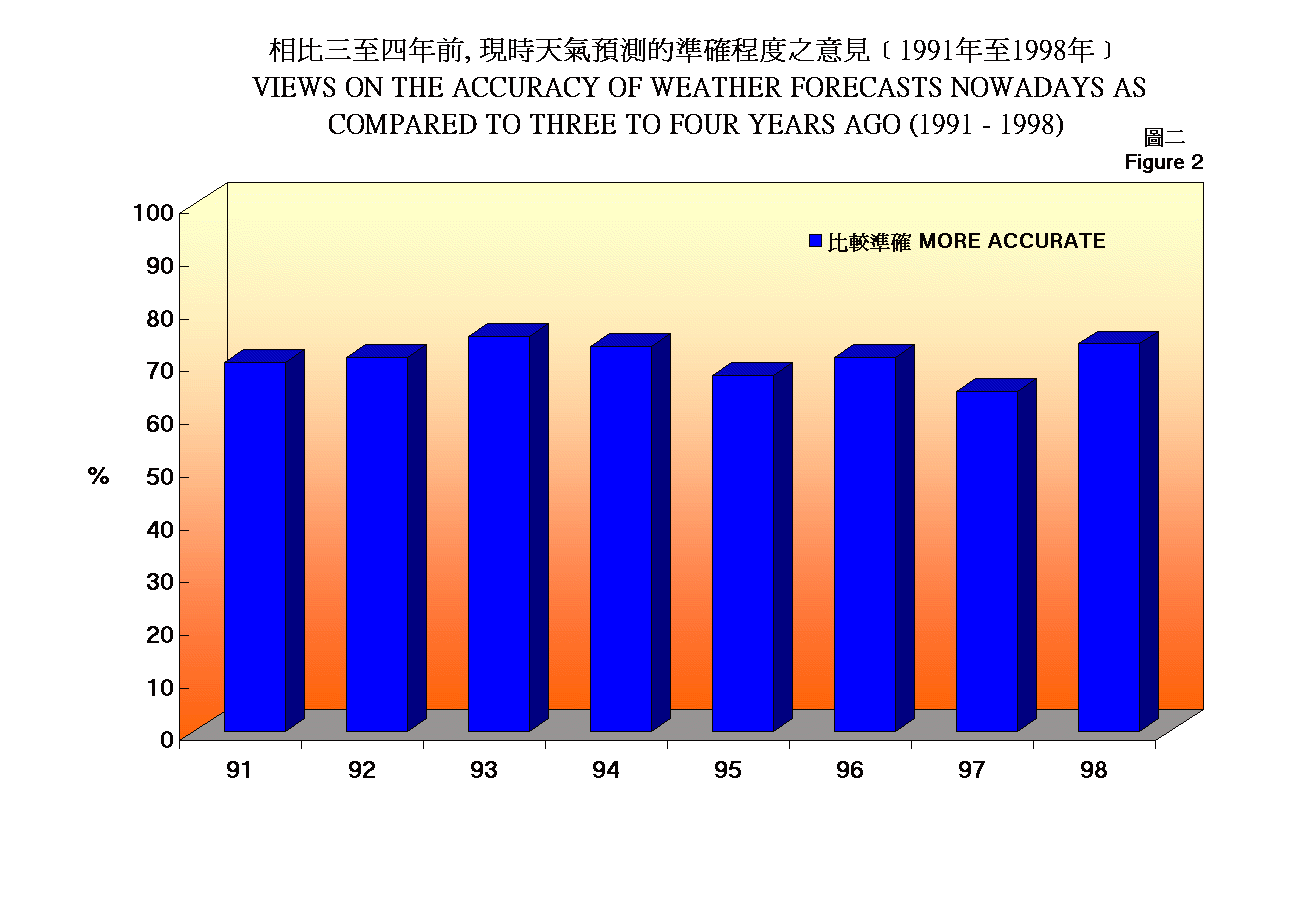
The figures have remained stable in the past 10 years (see Figure 2), indicating that public recognition of weather forecasts is growing.
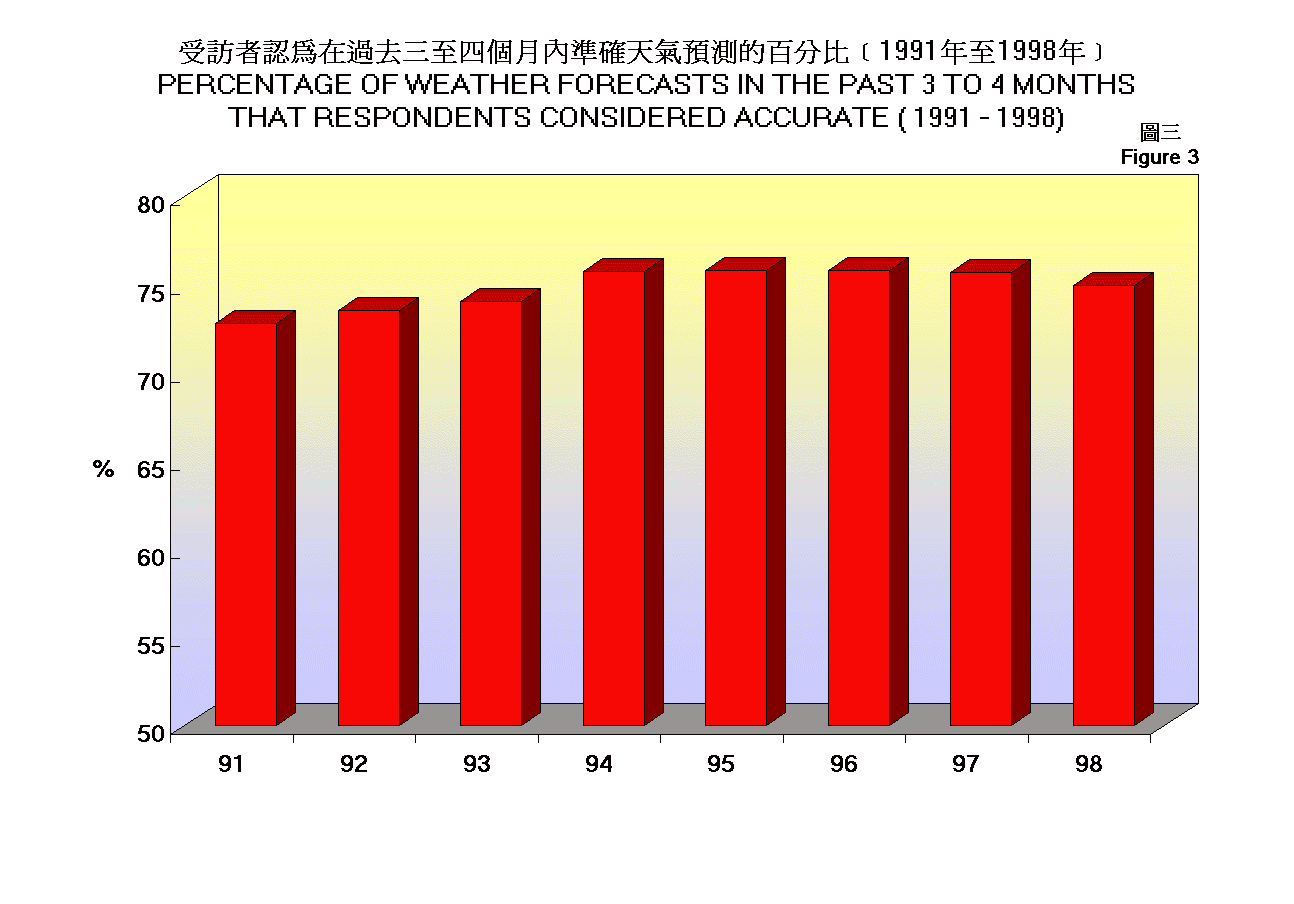
Further analysis of findings of the current and past surveys reveals that the public assessed the accuracy of weather forecasts to be around 75 per cent (see Figure 3). This shows a slight increase as compared to a perceived accuracy of about 73 per cent in the early nineties.
A Hong Kong Observatory spokesman today (Tuesday) said, "The opinion survey also provides an opportunity for the Observatory to obtain feedback from the public on new meteorological services and to identify areas for improvement.
"For example, following the introduction of the revised Rainstorm Warning System in March this year, the assessed accuracy of rainstorm warning has risen from 72 per cent in the previous survey to 80 per cent in the current survey.
"The Observatory appreciates these recognition and support from the public.
"Improvement in the accuracy of weather forecasts has been brought about by the advent of new technologies. New technologies are being continuously adopted by the Observatory.
"In the late seventies, the Observatory started to receive imageries from geostationary satellites. It brought in numerical weather prediction products from the European Centre for Medium-Range Weather Forecasts and set up a digital radar in the mid-eighties.
"The Doppler Weather Radar was introduced in the nineties. All these new technologies contribute collectively to making weather forecasts more accurate," he said.
End/Tuesday, December 29, 1998
NNNN